British Shorthair care and health basics come down to a few repeatable habits: brush the dense double coat about once a week, serve measured meals to keep a stocky frame at a healthy weight, provide daily play, and keep up routine veterinary exams that screen for a short list of breed-linked conditions.
That sounds modest, and it is. The breed is genuinely one of the easier cats to live with, mostly because it is undemanding about attention. The part people get wrong is the weight. A calm, food-motivated cat that looks solid at every angle can quietly pack on pounds, and that surplus fat shows up later in joints, teeth and kidneys.
What follows covers the daily routine first, then the health questions worth raising with your vet, then the signs that mean stop reading and make a call.
Table of Contents
- British Shorthair Care and Health Basics: What to Know
- What Does a British Shorthair Need Every Day?
- How Should You Feed a British Shorthair?
- How Do You Groom a British Shorthair?
- How Much Exercise and Play Does a British Shorthair Need?
- What Health Problems Should British Shorthair Owners Know About?
- British Shorthair Care and Health Basics Checklist
- When Should You Take Your British Shorthair to the Vet?
- How Can You Keep Your British Shorthair Healthy Preventively?
- Frequently Asked Questions
- Do British Shorthair cats need daily brushing?
- How do I know if my British Shorthair is overweight?
- What food is best for a British Shorthair?
- Are British Shorthair cats good apartment cats?
- How often should a British Shorthair see a veterinarian?
- What symptoms should make me call a vet right away?
- Conclusion
British Shorthair Care and Health Basics: What to Know
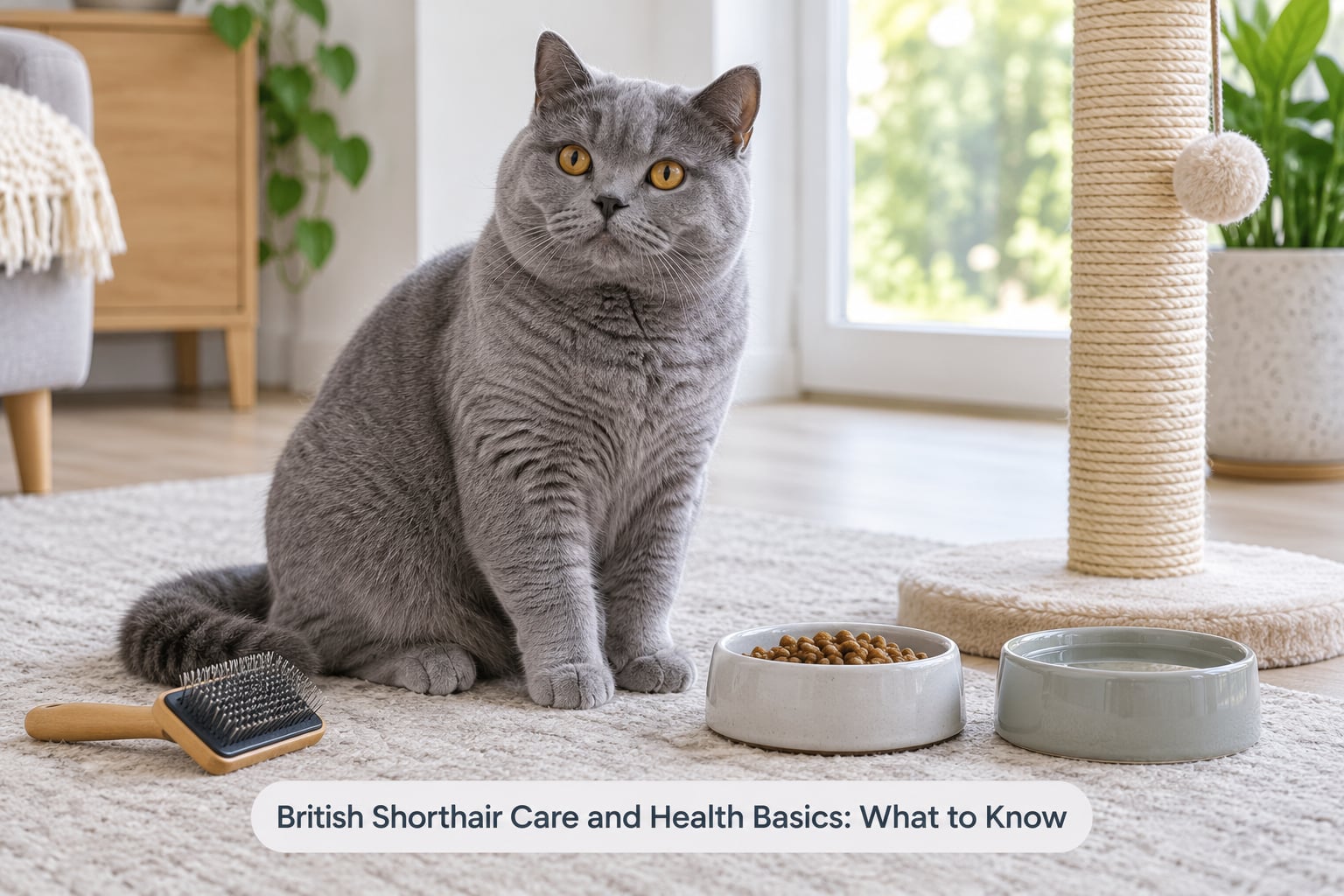
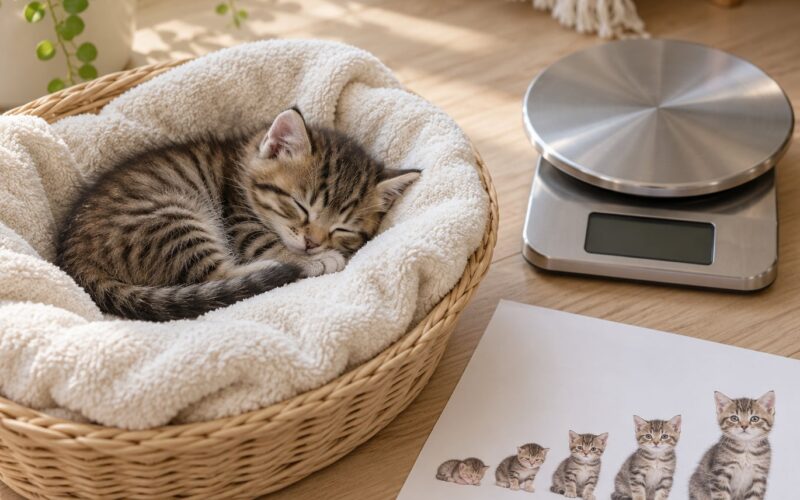
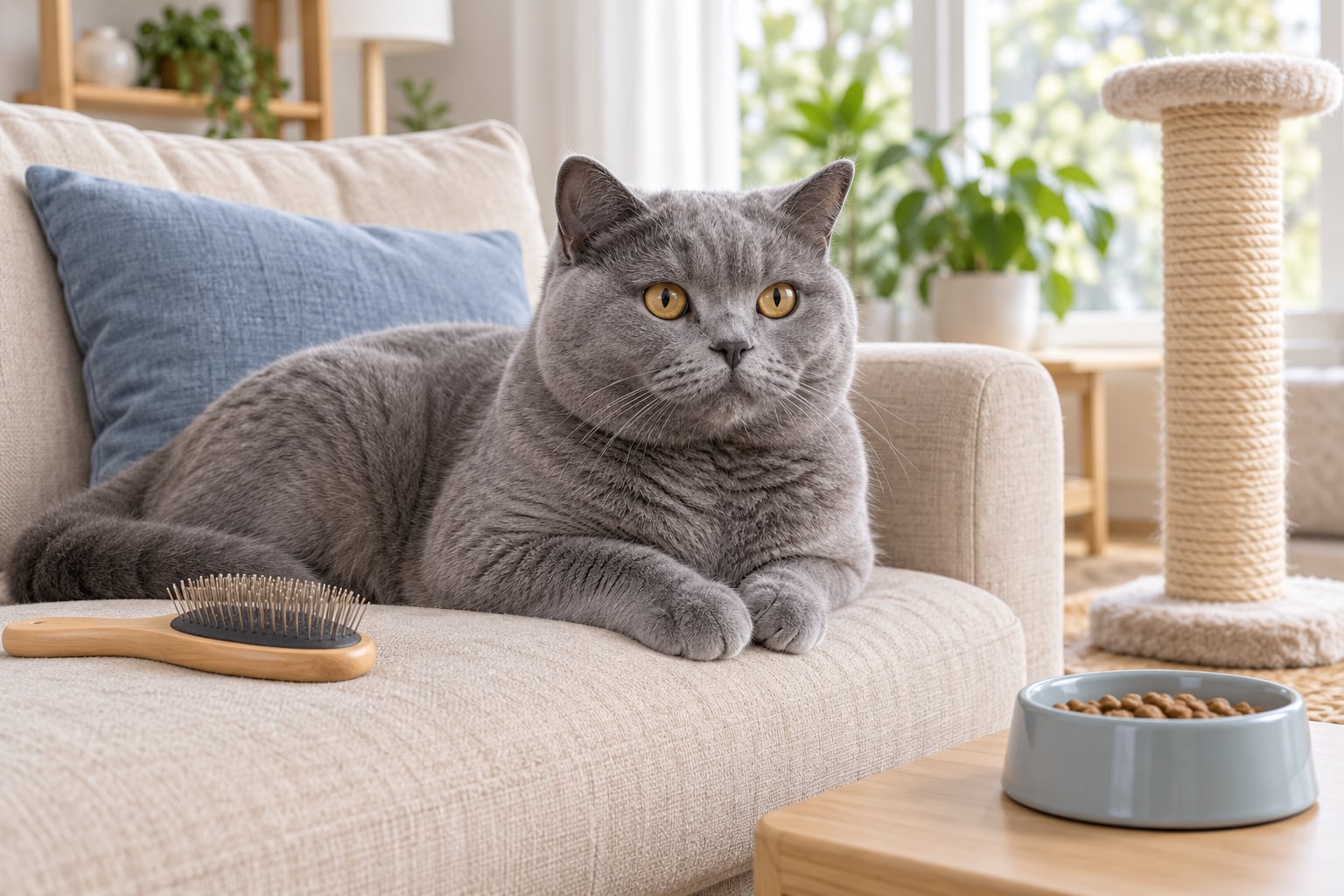
The British Shorthair is a stocky, plush-coated cat with a round face, a broad chest and a famously steady temperament. Adults typically weigh between 4 and 8 kg, and the breed matures slowly, reaching full size somewhere around three years of age, which matters a great deal when you are planning portions.
Two things surprise first-time owners. The first is how calm the cat is. This is a breed that sleeps a lot, tolerates handling patiently and rarely demands to be picked up and carried. The second is that short hair does not mean low grooming. The coat is a dense double coat that sheds more than its length suggests and mats easily around the britches and behind the ears.
Typical breed facts, so you have a baseline to compare against:
- Adult weight: roughly 4 to 8 kg, with males usually heavier
- Full maturity: about 3 years, not 12 months
- Lifespan: commonly 12 to 20 years with routine care
- Coat: dense plush double coat, weekly brushing baseline
- Temperament: calm, affectionate in their own time, not clingy
The table below splits day-to-day care from the things that need professional attention. Keeping the two apart is the whole skill.
| Routine care you handle at home | Signs that need a veterinarian |
|---|---|
| Weekly brushing, more often while moulting | Lumps, redness, odor or bleeding in the mouth |
| Measured meals instead of free-feeding | Straining in the litter box without urine produced |
| Daily interactive play and a scratching post | Open-mouth breathing or breathing that sounds labored |
| Clean water available at all times | Refusing food and water for a full day |
| Routine nail trims and ear checks | Sudden weight loss or a dull, unkempt coat |
| Annual wellness exam and current vaccinations | Repeated vomiting, marked thirst, or sudden aggression |
What Does a British Shorthair Need Every Day?
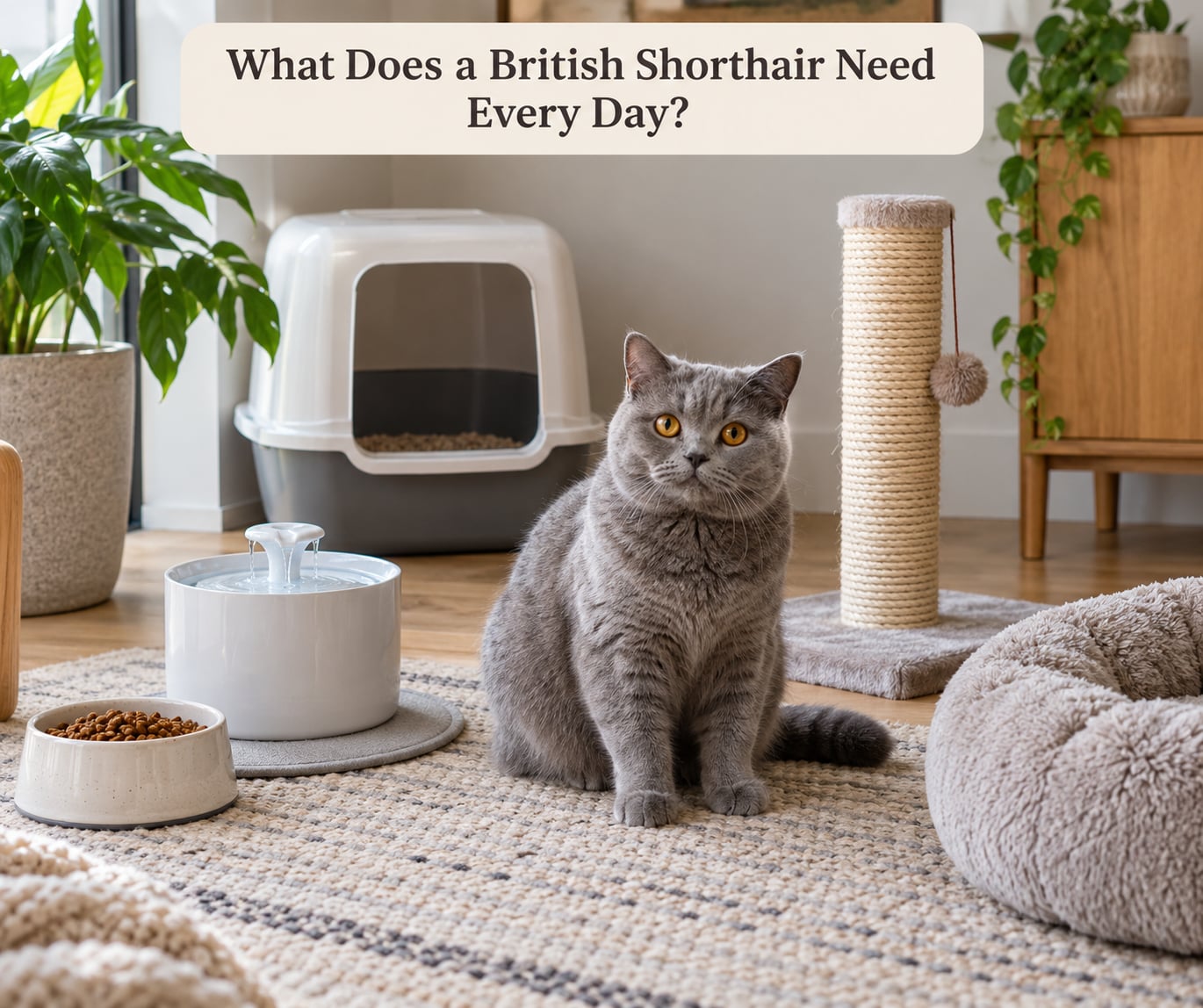
Six things belong in the daily rotation, and none of them takes more than a few minutes once you get used to the order. Think of it less as chores and more as a morning and evening routine you stop having to think about.
- Fresh water. Refill the bowl or fountain daily. Cats drink more when water is moving or the bowl is wide and shallow, which helps urinary and kidney health.
- A complete and balanced meal. Measured, at consistent times. Two small meals often suit a cat that gulps food.
- Litter box upkeep. Scoop at least daily. A covered box in a quiet spot works well, and a second box in a larger home reduces accidents.
- Interactive play. A wand toy session, even short, satisfies hunting instincts that indoor cats otherwise have no outlet for.
- A scratching surface. At least one upright post, ideally near where the cat already likes to be. Cats that scratch furniture usually prefer a post placed in the wrong spot.
- A resting place. A soft bed or blanket somewhere warm and undisturbed, ideally off the floor.
Individual needs shift with age, body condition, health and activity level. A kitten eats far more than an adult, a senior may need softer food and a second water station, and a cat carrying extra weight benefits from two short play sessions instead of one long one. Watch your own cat and adjust rather than following a fixed schedule.
How Should You Feed a British Shorthair?
Feed a complete and balanced cat food in measured portions, keep fresh water available, and treat extras as a small fraction of daily intake. That is the short answer, and everything else is detail.
Cats are obligate carnivores, so they need nutrients that only animal tissue supplies, including taurine and arachidonic acid. That is why a food labelled complete and balanced for cats is a better foundation than leftover meat, a single treat or a home diet assembled from scratch.
Measure the daily amount and divide it across meals instead of topping up a bowl. Free-feeding suits many cats, but this breed is a common exception because its combination of steady appetite and low activity makes weight gain easy and weight loss slow. Forum threads about British Shorthairs lean on this constantly, and the pattern repeats: owners who switch to weighed daily portions report the easiest progress.
Wet food has one clear advantage for this breed: moisture. Cats are poor drinkers, so a wet meal does work that a dry bowl cannot, and that matters for urinary health and for kidneys. Dry food is perfectly workable when the cat drinks well and the water setup is right.
Because the breed matures slowly, kitten portions need to stay generous until growth is complete, and the common mistake is cutting a kitten back at the first birthday. Treats should stay under roughly ten percent of daily calories. If your cat needs a therapeutic or weight-management diet, that decision belongs with your vet, based on body condition and bloodwork rather than on appearance.
How Do You Groom a British Shorthair?
Brush a British Shorthair about once a week in normal conditions and two or three times a week while the coat is moulting. The coat length is short; the density is not, and that undercoat is where mats and hairballs start.
A slicker brush or a soft metal comb works well. Work in layers from the skin outward, paying attention to the areas that mat first: behind the ears, under the arms, along the britches and around the tail base. If you find a mat, work it out gently with your fingers before bringing in a comb or clipper. Never cut a mat out with scissors, you will take skin with it.
Nails, ears and teeth fit into the same weekly pass:
- Nails: trim every two to four weeks, cutting only the clear hook well below the quick
- Ears: look at them weekly; a dusty brownish buildup can be routine, but dark discharge or a strong smell needs a vet
- Eyes: check for discharge or squinting and wipe gently with a damp cloth
- Teeth: brushing with a feline toothpaste a few times a week is the most reliable home defence against gingivitis and periodontal disease
Book a professional groomer for nail trims or a heavy seasonal shed if your cat objects to handling, and let a vet take any lump, redness, bleeding, odor or sudden coat change. Never apply human medication or cosmetic products to a cat without veterinary direction.
How Much Exercise and Play Does a British Shorthair Need?
British Shorthairs need daily movement and mental stimulation even though they are famously calm. Calm is not the same as inert, and a cat with nothing to do sleeps through the day and gains weight.
Low-effort play suits this breed well:
- Wand toys for a short session twice a day, five to ten minutes each
- Toy mice and balls left around the floor so hunting is available when you are not around
- Puzzle feeders that make a cat work for part of the meal, which slows eating and adds interest
- Cardboard boxes and paper bags for climbing and ambush practice
- Rotating two or three toys instead of leaving everything out, novelty keeps interest alive
Adjust for the individual. Kittens want short, frequent bursts and plenty of things to climb. Overweight cats do better with floor-level play that does not ask them to jump. Senior cats and cats with mobility problems prefer sessions on the floor with a feather wand, and ten easy minutes beat one exhausting attempt.
One caution from owner forums: when a normally calm cat suddenly becomes restless, obsessive about grooming or itching at night, that change is worth taking seriously rather than filing under breed personality.
What Health Problems Should British Shorthair Owners Know About?
Not every British Shorthair develops any of these, and responsible breeding plus routine screening reduces the odds considerably. Knowing the list exists so you can ask the right questions at checkups.
| Condition | What owners may notice | What reduces risk |
|---|---|---|
| Hypertrophic cardiomyopathy (HCM) | Rapid or laboured breathing, fainting, sudden weakness in a young or middle-aged cat | Breeders testing breeding stock, periodic auscultation and echocardiography when indicated |
| Polycystic kidney disease (PKD) | Thirst, weight loss, increased drinking, vomiting later in life | DNA testing of breeding cats and avoiding affected pairings |
| Obesity | No visible waist from above, ribs hard to feel, less interest in jumping | Measured portions, measured treats, daily play, regular weigh-ins |
| Dental disease and gingivitis | Bad breath, red or bleeding gums, chewing on one side, dropped food | Home brushing, dental diets and chews, professional cleanings when advised |
| Urinary stones | Straining in the box, frequent small urinations, blood in urine, licking at the area | Hydration, wet food, vet-directed diet changes, urinalysis when advised |
HCM is the one people ask about most. It is a thickening of the heart muscle that is inherited in this breed and in others; a DNA cheek-swab result reduces but does not eliminate uncertainty, so many owners discuss periodic heart screening with their vet rather than testing once and forgetting it.
PKD shows up far less often in responsibly bred lines today than it once did, but it remains worth asking about. Ask any breeder or shelter for the DNA test result, and ask your vet about heart screening, before you commit.
Obesity is the most common preventable problem in this breed, and it is also the one most easily improved. A cat carrying surplus fat is more likely to develop arthritis, dental disease and urinary trouble, and senior owners often name gum problems as the recurring issue they have dealt with most.
There is one thing about this breed that catches new owners out, and it is not a condition. British Shorthairs are stoic. They keep eating, keep sitting in the same spot and rarely vocalise about discomfort, so illness can progress further than it would in a more demonstrative cat. That is precisely why weigh-ins, litter-box habits and gum colour are worth checking weekly instead of whenever something looks off.
British Shorthair Care and Health Basics Checklist
Turn the guide into a routine you can actually keep:
- Feed a complete and balanced food, measured daily, with treats under roughly ten percent of intake
- Refresh water every day and keep a second water station if the house is large
- Scoop the litter box daily and note any change in the size or number of urine clumps
- Brush the coat weekly, more often during moulting
- Play twice a day with a wand toy, plus floor-level hunting toys
- Brush teeth a few times a week with a feline toothpaste
- Keep vaccinations and parasite prevention current with your vet
- Weigh the cat monthly and note sudden losses as well as gains
- Attend wellness examinations on the schedule your vet sets for your cat’s age
- Share any family history of kidney, heart or urinary disease at the first appointment
Prevention plans and any medication have to be individualized. Nothing on this list is a substitute for your vet’s assessment of your cat.
When Should You Take Your British Shorthair to the Vet?
Some situations are emergencies and some are prompt appointments, and telling them apart matters because a calm cat gives you very little warning.
Go to an emergency clinic now if your cat is straining in the litter box and producing little or no urine. Inability to urinate is life-threatening, particularly in male cats, and hours make a difference. Open-mouth breathing or breathing that sounds noisy and laboured is also an emergency.
Arrange a prompt appointment for repeated vomiting, complete refusal of food or water for a full day, sudden weight loss, marked thirst, facial swelling, a persistent cough, obvious pain when touched, or a pronounced change in behaviour such as hiding, aggression or loss of litter-box habits.
Never give human medication. Painkillers, cold remedies and many human preparations are toxic to cats, and the correct dose and substance are decisions for a veterinarian. If your cat seems unwell, describe what you have seen and when it started, and let the clinic advise.
How Can You Keep Your British Shorthair Healthy Preventively?
Prevention for this breed is unglamorous and works: steady body weight, complete nutrition, current vaccinations and parasite protection, regular wellness examinations, and attention to the litter box.
Weigh your cat monthly and write the number down. Trends are easier to act on than a single reading, and this breed hides weight loss as easily as it hides weight gain. Keep an eye on how much water is drunk and how the cat uses its box, since kidney and urinary changes often show up there first.
Vaccination and parasite prevention schedules depend on age, lifestyle and local rules, so follow your vet’s plan rather than a calendar you found online. Adult cats generally need a wellness examination at least once a year, kittens and senior cats more often, and your vet may recommend bloodwork and urinalysis as your cat ages. Mention any family history of heart, kidney or urinary disease at the first visit.
Frequently Asked Questions
Do British Shorthair cats need daily brushing?
Not usually. A healthy adult with a dense double coat copes well with a weekly brushing session plus a quick check of eyes, ears and nails. Increase it to two or three sessions a week while the coat is moulting, usually in spring and autumn, to loosen the undercoat before it mats. If you find tangles behind the ears or around the tail base, brushing more often is easier than cutting them out. Ask your vet for a plan if your cat is elderly, overweight or has skin trouble.
How do I know if my British Shorthair is overweight?
Run your hands over the ribs with the coat flattened: you should be able to feel them easily. Look from above for a visible waist behind the last rib, and from the side for a slight tuck rather than a straight line. Feeling the spine and hip bones sharply also points to excess weight. Ask your vet for a body condition score, which puts the number on a nine-point scale. Weighing monthly at home catches gradual change long before it looks obvious.
What food is best for a British Shorthair?
There is no breed-specific food requirement. What matters is a complete and balanced cat food, fed in measured daily portions, with fresh water always available. Wet food adds moisture and is often easier for this breed to stay hydrated on, while dry food is fine when the cat drinks well. Treats should stay under about ten percent of daily calories. Weight-management, renal or urinary diets are medical decisions: choose them with your vet after a physical exam rather than from a shelf.
Are British Shorthair cats good apartment cats?
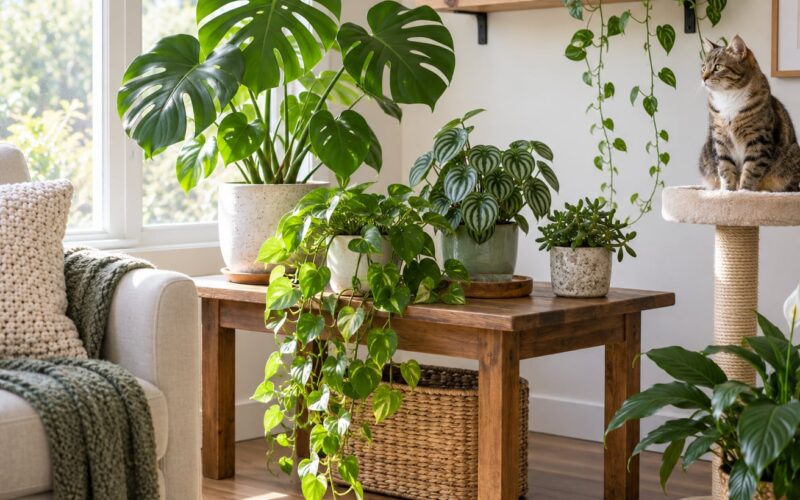
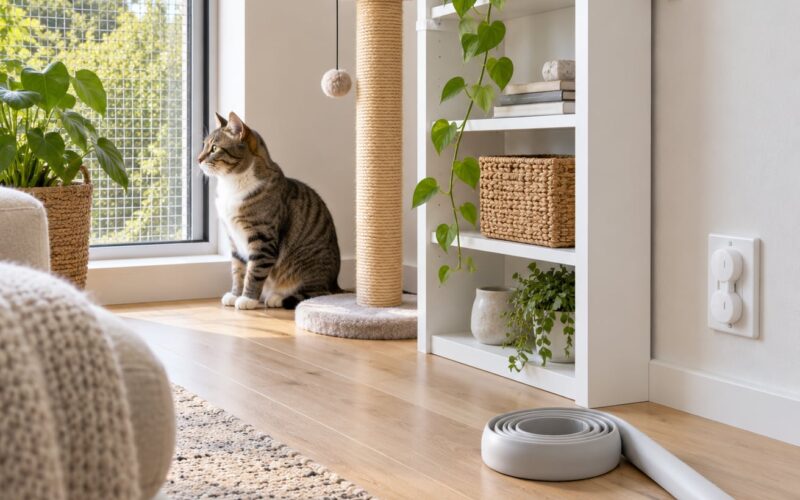
Yes, they are one of the better breeds for apartment living. They are quiet, undemanding and usually comfortable in smaller spaces, with no strong need to roam outdoors. The trade-off is that a small home still has to offer vertical room to climb, at least one sturdy scratching post, a quiet litter location and daily interactive play. Apartment living alone does not mean sedentary living, and a cat with no enrichment will get bored and gain weight. Keep indoor plants and strings of thread out of reach.
How often should a British Shorthair see a veterinarian?
Adult cats generally need a wellness examination at least once a year, and kittens need several visits in their first year for growth checks and vaccinations. From around eight years of age, twice-yearly visits are usually sensible because kidney, dental and heart changes are more common and easier to catch early. Your vet may add bloodwork or urinalysis based on age and history. Because this breed is stoic and slow to mature, do not wait for obvious symptoms, and confirm the schedule with your own vet at the first appointment.
What symptoms should make me call a vet right away?
Treat straining in the litter box with little or no urine as an emergency, since a blocked urinary tract is life-threatening, especially in male cats. Open-mouth or laboured breathing, collapse, repeated vomiting, refusal of food and water for a full day, facial swelling, sudden weight loss and marked pain all warrant an urgent call. Never give human medication: many painkillers and cold remedies are toxic to cats. Describe what changed, when it started and whether the cat is eating and urinating, and let a veterinarian decide the treatment.
Conclusion
Start with the unglamorous parts. Set up a measured feeding routine, keep water fresh, scoop the litter box daily, brush the coat once a week and more while it moults, and build two short play sessions into the day.
Then make two things non-negotiable: a monthly weight you write down, and a wellness schedule set with your vet. That is how you stay ahead of the handful of conditions this breed is prone to, especially weight, teeth, kidneys and heart.
And when something changes, trust the change. A British Shorthair will not tell you it feels unwell, so early professional assessment is always the safest response.