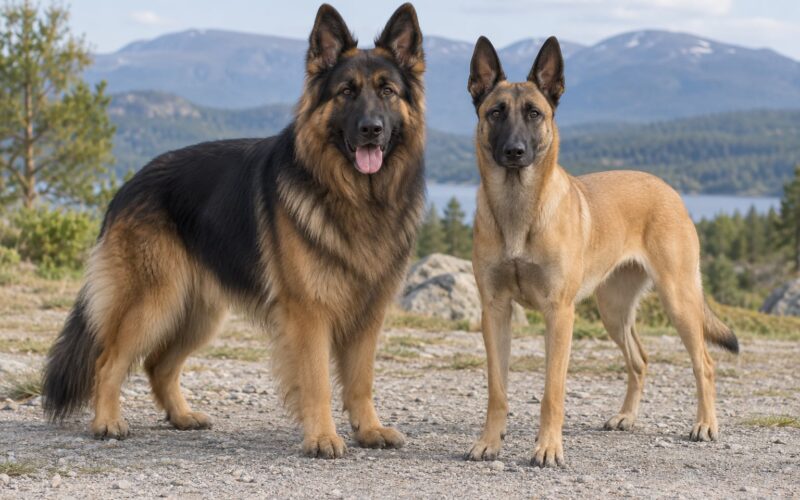
Dog breeds that handle being alone better are the ones built to work solo for hours: hunting, tracking and guarding dogs like the Basenji, Chow Chow, Norwegian Elkhound, Saluki and Whippet. They rest deeply and bark less, so a workday alone is far easier on them, though no dog should be left alone past roughly eight hours.
This list is for people who work full time, live alone, or simply travel a lot and want a dog that will not chew through the door while they are out. It is also honest about the catch. Independence comes from temperament and history, not from a breed label printed on a website, and no breed makes a dog ignore loneliness entirely.
What changed my mind on this topic is how often the same answer comes back in breed advice threads on r/dogs: the individual dog’s history outweighs the breed almost every time. A two-year-old Labrador that has never spent a full day alone will struggle, and an adult or senior dog from a shelter may settle into four quiet hours on day one. Keep that in mind as you read the list below.
Table of Contents
- Dog Breeds That Handle Being Alone Better at a Glance
- 1. Basenji
- Can a Basenji Be Among Dog Breeds That Handle Being Alone Better?
- 2. Chow Chow
- 3. Portuguese Podengo Pequeno
- 4. Catahoula Leopard Dog
- 5. Bullmastiff
- 6. Bouvier des Flandres
- 7. Norwegian Elkhound
- 8. Anatolian Shepherd Dog
- 9. Saluki
- 10. Airedale Terrier
- 11. Portuguese Water Dog
- 12. Whippet
- Frequently Asked Questions
- Is it safe to leave any dog alone for a full workday?
- How long can a dog safely be left alone, based on age?
- What is the best dog breed for an apartment when the owner works full time?
- Does putting a dog in a crate help it cope with being alone?
- How can I tell whether my dog is comfortable or anxious when left alone?
- What to Do First
Dog Breeds That Handle Being Alone Better at a Glance
These twelve breeds share one trait: a history of making decisions without human company. They tolerate a workday alone better than most dogs, and they still need exercise, affection and a gradual introduction to being on their own.
| Breed | Typical temperament | Exercise needs | Alone-time reality | Best home |
|---|---|---|---|---|
| Basenji | Observant, aloof, yodeling | 30-60 min daily | Comfortable with 4-6 hours once trained | Apartment or house, experienced owner |
| Chow Chow | Reserved, dignified, independent | 20-40 min daily | Tolerates 4-5 hours; dislikes chaos | House, calm household |
| Portuguese Podengo Pequeno | Alert, curious, vocal | 30-45 min daily | 4-5 hours if barking is trained | Apartment, patient owner |
| Catahoula Leopard Dog | Adaptable, energetic, work-driven | 60-90 min daily | Fine alone after a real workout | House with yard, active owner |
| Bullmastiff | Calm, affectionate, steady | 20-40 min daily | Best in class at 5-7 hours | House, any climate but not hot |
| Bouvier des Flandres | Sturdy, intelligent, watchful | 45-60 min daily | 5-6 hours with a job to do | House with space, active owner |
| Norwegian Elkhound | Vocal, independent, cold-hardy | 45-60 min daily | 5-6 hours, silent only if occupied | House or yard, cold climate |
| Anatolian Shepherd Dog | Self-directed, protective, watchful | 30-60 min daily | Comfortable for long stretches | Rural home, securely fenced land |
| Saluki | Quiet, gentle, aloof indoors | 30-45 min, some days more | Sleeps through most of it | Apartment or house, calm home |
| Airedale Terrier | Confident, bright, vocal | 45-60 min daily | 4-5 hours if trained early | House with yard, firm hand |
| Portuguese Water Dog | Sociable, trainable, people-oriented | 45-60 min daily | Harder than it looks; needs company | Active home with people around |
| Whippet | Quiet, gentle, low-key, sensitive | 30-45 min daily | Rests 18+ hours a day alone | Apartment, calm household |
Two things this table cannot show. Age matters more than breed: a puppy under a year has a much shorter leash than an adult, and a senior dog may tire faster than it minds. Individual history matters more still, which is why shelters are the best source of honest information. Ask whether the dog you are looking at already spends time alone at the foster home, and how it responds to that.
1. Basenji
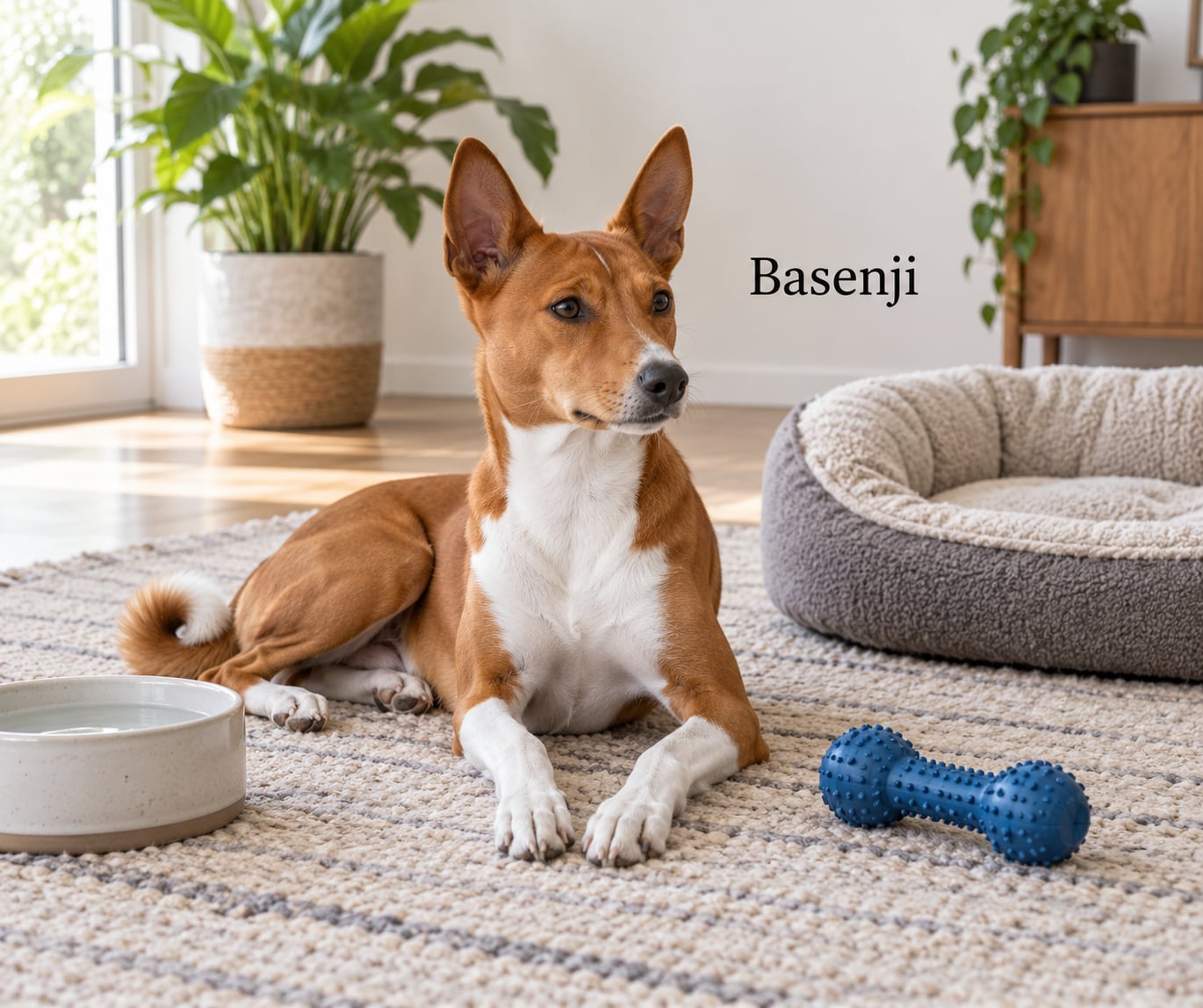
The Basenji comes from Central Africa, where it hunted on its own rather than in a pack, and it kept that self-direction in pet homes. It is quiet in the way other dogs are not. Instead of barking it yodels, it settles easily, and it is less likely than most breeds to spend four hours methodically dismantling a sofa.
A realistic first absence looks like this: two hours, then three, then four, adding time every few days and never jumping straight to a full workday. A puzzle feeder left on the floor and a chew the dog has already learned to enjoy on its own both help, but the routine matters more than the toy. Give the Basenji a solid morning walk and its evening exercise still, even on days you are stuck at a desk.
First-time owners should know two things. The breed is famously stubborn, so obedience work pays off enormously before you ever need it. And the Basenji has a strong prey drive, so a home with cats, small pets or a busy street outside the window takes real management.
Can a Basenji Be Among Dog Breeds That Handle Being Alone Better?
Yes, among the most independent dogs you can own. That is not the same as being safe to leave for long stretches. Watch for destructive chewing, nonstop vocalizing, scratching at doors and escape attempts, because those are boredom signals, not independence. A Basenji that settles and sleeps is telling you it is genuinely fine.
2. Chow Chow
The Chow Chow is one of the most self-contained dogs in this list. Ancient in origin and famously aloof with strangers, it is not looking for company the whole day, and it is quite content lying on its own bed while the house is empty. That quiet reserve is exactly why it copes with regular absences better than most breeds.
What it does need is structure and early socialization. A Chow that has never met a variety of people, sounds and surfaces can become wary and territorial, and a wary dog alone in a house is a much worse problem than a bored one. Puppy classes and ongoing exposure to ordinary life matter here more than they do with a breed like the Labrador.
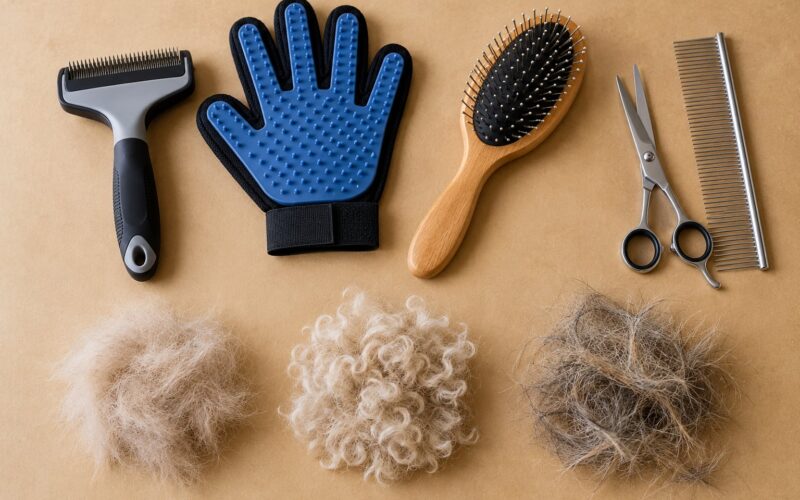
A short absence example: a five-hour stretch in a home where the Chow already naps in another room while its owner works. Keep the routine identical every weekday so the dog predicts the day rather than reacting to it. Watch the coat too. Chow sheds heavily twice a year, and grooming that heavy coat in a warm climate can turn a comfortable dog into a restless one.
3. Portuguese Podengo Pequeno
The Pequeno is the small end of a Portuguese hunting breed, alert and quick, and it works well for owners in smaller homes who want a dog with genuine independence. At around ten pounds it is easy to exercise indoors on bad weather days, and its short coat needs very little attention, which fits a busy schedule better than breeds with grooming bills attached.
The catch is the voice. Podengos are alert hunters and they will use it, particularly at sounds outside. That barking is a neighbor problem long before it is a dog problem, and it is trainable but takes consistent work from week one. Owners returning to a regular office routine should run the same sequence every morning: walk, breakfast, a short training session, then a calm exit that ignores any follow-on whining.
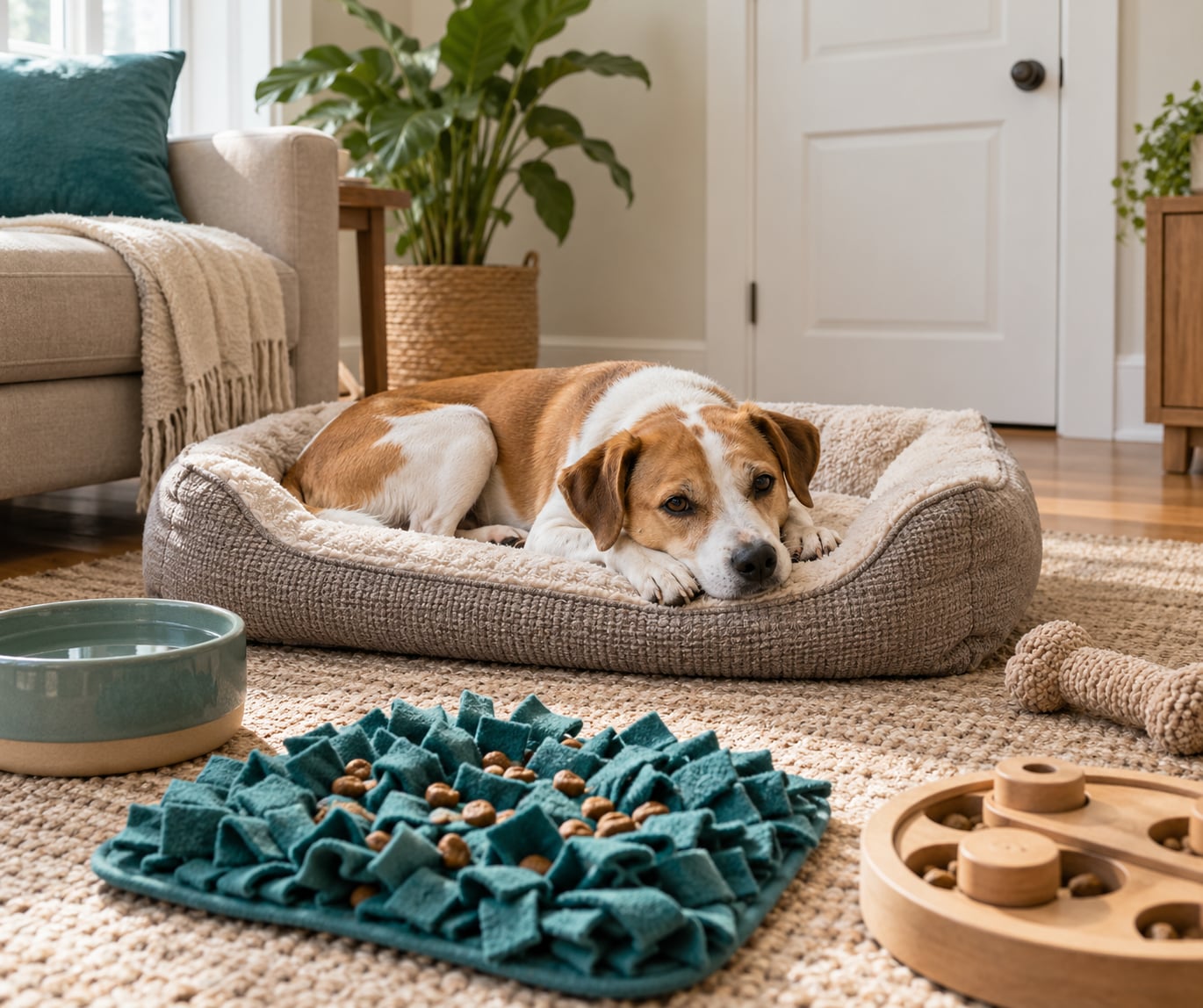
Its exercise needs are modest, around half an hour, but the mental work is what wears it out. A treat-scattering mat or a snuffle mat turns that half hour into something closer to an hour of real thinking, which is what actually gets a dog through a quiet afternoon.
4. Catahoula Leopard Dog
The Catahoula is Louisiana’s working hound, bred to hunt in rough, hot country and to keep going when conditions get uncomfortable. That background gives you two useful things: real physical stamina and an expectation of having a job. Give it structure and it is exceptionally adaptable, including to hours on its own.
Give it boredom and you get the opposite. An under-exercised Catahoula is loud, restless and inventive with doors. Before you conclude the breed tolerates solitude well, put in the sixty to ninety minutes of daily exercise it actually needs, plus chew work that takes real effort. Once the physical and mental load is met, it settles well.
This one suits an active owner with a yard more than an apartment. It is not a first dog, and it responds best to clear house rules set early, because a hunting breed will happily invent its own if you do not.
5. Bullmastiff
Bullmastiffs were bred as gamekeepers’ night dogs, holding poachers without biting them, and they inherited a remarkable ability to stay calm for hours doing nothing in particular. That makes them the most settled dog on this list for longer absences. Many owners report five to seven hours as routine, provided the dog has been there since it was young.
Two practical notes. They drool heavily, which is a household fact rather than a problem. And they are heat-sensitive with short coats and heavy bodies, so a summer afternoon alone in a warm house is genuinely uncomfortable. Air conditioning, shade or moving the crate to the coolest room of the house matters more here than on most breeds.
Plan the absence gradually, same as everything else. Two hours, then four, then a full morning out. Separation anxiety does appear in Bullmastiffs, usually in dogs adopted as adults with an unknown history, and a camera on the first few longer days settles that question quickly for most owners.
6. Bouvier des Flandres
The Bouvier is a Belgian farm dog built to work all day in rough conditions, and it carries that steadiness into the house. It is intelligent, calm and comfortable taking direction, which means it can learn a routine of settling down rather than coping reactively. Given real exercise and a purpose, four to six hours is a reasonable target.
Two requirements carry weight. The coat is dense and sheds, and an under-groomed Bouvier is an uncomfortable dog, which undermines everything else you are trying to build. And that working brain needs an outlet. A concrete example: food delivered through a puzzle feeder right before you leave, plus a chew that takes twenty minutes of work, and the afternoon looks very different to the dog than an empty bowl does.
It is a strong, watchful dog with a moderate prey drive, so homes with small pets need thought. Bouviers also do better with owners who are firm and consistent than with those who let a hundred-pound dog decide what happens.
7. Norwegian Elkhound
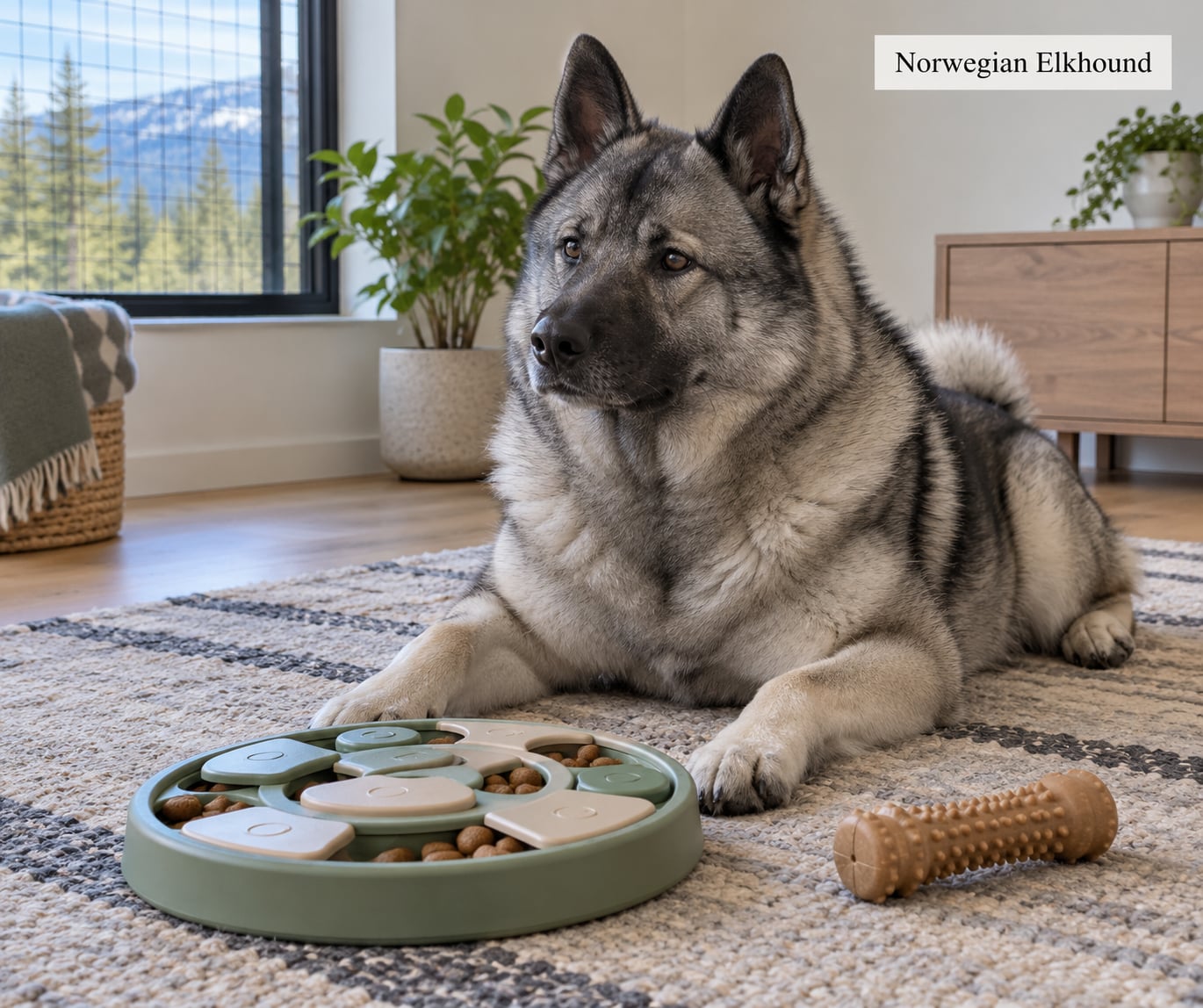
Norwegian Elkhounds hunt in cold country and are famously noisy, so the tolerance comes with a sound test attached. They are independent, willing to make decisions, and they settle well when they have genuinely occupied themselves. Silence is achievable. It is just not automatic.
A typical owner scenario: someone leaves at seven-thirty and returns at two, with a long walk before work and a puzzle feeder at the door. Elkhounds are also diggers, and boredom digging in a garden is a real possibility, so give them an outlet and a place they are allowed to dig. The thick double coat suits cold climates poorly in summer, and a hot, airless room will make a bored dog destructive.
Expect vocalization during the acclimation period. If your neighbors are sensitive to barking, work through the barking before the schedule gets long, not after.
8. Anatolian Shepherd Dog
Anatolians are livestock guardians, and their entire history is making decisions alone at night on behalf of a flock. That produces the most genuinely self-directed temperament here. These dogs are comfortable being alone and are not clingy, which makes them an unusual fit for people who travel.
Size and responsibility come with it. A mature dog can weigh well over a hundred pounds, and a guardian breed needs property that is properly fenced. An Anatolian that escapes is a large dog loose in a neighborhood, and that risk is not something independence is worth. Exercise needs are moderate for the size, roughly half an hour to an hour, but they need room and something to watch.
A safe absence looks like this: a securely fenced yard, water shaded in summer, a heavy chew for the first few hours, and a gate latched before you leave rather than after. These dogs are calm and quiet when they are settled, and the ones that bark nonstop are almost always under-stimulated.
9. Saluki
The Saluki is a sighthound, which means it is built for long, fast runs and for spending the rest of the day resting. Indoors it is famously quiet, gentle and aloof, often described as cat-like about the furniture. Of the dogs here, it is the one most likely to genuinely sleep through a long absence.
Prey drive is the practical issue. Secure fencing is not optional with a sighthound, and they will hunt cats and small animals if given the chance. Winter is the other limit, because the coat is thin and the body is lean, so cold weather and long spells alone need care with a warm bed and a draft-free space.
Choose between the two states you are actually choosing from: a relaxed dog asleep on the sofa because it got its run that morning, or a physically unexercised sighthound that is not relaxed at all. They look similar from the outside and feel nothing alike.
10. Airedale Terrier
The Airedale is the largest of the terriers and it behaves like one. It is confident, clever, athletic and vocal, and it was bred to follow a scent for hours, which means it finds its own entertainment when nobody is supervising. With real exercise and a settled routine it can hold four to five hours comfortably. Without them it will bark and dig.
Room or crate training early is the useful habit here. Start with short periods, always with the dog choosing to go in, never as a punishment, and build from twenty minutes to two hours to a morning. The breed is trainable and enjoys the mental work, so obedience sessions double as boredom prevention.
Expect digging and expect a strong prey drive. Airedales get along fine with many dogs but are often too enthusiastic around cats and small pets, and the digging instinct is best given a designated spot rather than argued with.
11. Portuguese Water Dog
This one is here to correct a common mistake. Portuguese Water Dogs are popular picks for busy people, and the grooming and hypoallergenic marketing can make them sound independent. They are not. They are sociable, people-oriented dogs that were bred to work in continuous close contact with fishermen, and they attach firmly to their household.
In practice they cope with long absences worse than several breeds on this list, particularly if adopted young. They need firm exercise and grooming both, and a dog left alone eight hours will often bark, chew and settle badly. Start with short absences, consider a second dog if the household is empty all day, and watch for the early signs of separation anxiety: pacing at the door, following you room to room, and whining when you pick up keys.
Great dog, wrong fit for the question. If your hours are long, choose a breed from this list that was built to work alone.
12. Whippet
Whippets are the easiest answer to this question. They sleep more than almost any other dog, they are quiet, they are small enough for an apartment, and their gentle nature suits a calm household. A well-exercised Whippet settles onto its bed after a morning out and stays there.
A realistic return-home routine looks like this: walk before work, breakfast, a short training or sniff session, then a calm departure with no lingering. Whippets are sensitive and they read your mood, so a rushed, guilty exit teaches them that departures are tense.
Even so, keep a line on it. Whippets can develop separation anxiety, particularly if they have been alone too much as a puppy, and the warning signs are the same everywhere: barking that starts the moment you close the door, scratching, chewing and house-soiling. Most of that is boredom with nowhere to go, and it responds to shorter absences and more daytime activity.
Frequently Asked Questions
Is it safe to leave any dog alone for a full workday?
Most healthy adult dogs manage eight to nine hours, but it is the upper limit rather than a target. Puppies, seniors and breeds prone to separation anxiety need far less. A full workday alone should only follow months of gradual building up, and even then a midday walker or sitter makes the day much easier for the dog.
How long can a dog safely be left alone, based on age?
Puppies under ten weeks need company almost constantly, and by around four months most can manage two to three hours. Adult dogs generally cope with four to six hours comfortably and eight as a ceiling. Senior dogs often want more company than adults do, since they sleep less and orient to their people more closely.
What is the best dog breed for an apartment when the owner works full time?
Whippets, Salukis and Basenjis are the strongest fits for a small home with long hours, because they are quiet, small and content resting. Chow Chows also work in apartments but need a calm household and good coat care. Avoid breeds that bark heavily for hours, whatever their independence reputation.
Does putting a dog in a crate help it cope with being alone?
A crate helps only if the dog chooses to go in and sleeps there calmly. Crating a dog that is anxious or that associates the crate with punishment makes the problem worse. Start with short sessions, keep it comfortable, and never use it to punish. An open room or a penned area with familiar smells often works just as well.
How can I tell whether my dog is comfortable or anxious when left alone?
Set up a camera or a cheap pet camera and watch the first long absence. A dog that settles, sleeps and sniffs around is managing well. Barking, scratching at doors, panting, chewing the frame or house-soiling point to anxiety or boredom, and the fix is shorter absences, more exercise and something to do rather than a different breed.
What to Do First
Assess the individual dog, not the breed, before anything else. Watch it for a few days, note how long it settles after a walk, and find out from a shelter or foster whether it already handles time alone. Then write down your real hours, subtract two, and build a gradual absence plan from there.
Keep exercise and enrichment daily rather than treating them as a fix you only reach for on bad days. A dog that gets a proper walk and something to think about can handle hours alone. A dog that is merely an independent breed and mentally idle will find a way to ruin your afternoon.
And if you are choosing a breed for a long workday, pick from the list here and check its exercise needs against the time you actually have. A calm dog that fits your schedule beats a famous independent breed that does not. If anything about your dog’s behavior seems off, a veterinarian or a certified behaviorist is the right call rather than a website list, and never give a dog human medication.