Yes, a first-time owner can train a Rottweiler, and reward-based methods suit this breed unusually well because most of them are eager for food and eager for a job. The catch is consistency: short daily sessions, a socialization plan that fits inside the 3-16 week window, and a plan for the adolescent months when obedience seems to fall apart. Budget roughly 45-60 minutes of exercise a day plus two or three 5-15 minute training sessions on top of that.
Rottweilers are not a beginner-easy breed, but they are a beginner-tractable one. They learn fast, they hold a rule once you make it consistent, and they shut down when handling turns rough. Rottweiler training for first time owners works best as a routine you repeat, not a set of tricks you teach once. This is the guide I would hand you on day one: what to have ready, what to do each week, and where to stop and get help.
Table of Contents
- What You Need to Start Rottweiler Training
- Collar or harness, fitted properly
- A 2 metre lead and a long line
- High-value treats and a treat pouch
- A crate or playpen, used as a management tool
- A routine you can actually keep
- A named behaviour professional, on standby
- Step-by-Step
- Step 1: Build Trust and Set a Calm Routine
- Step 2: Practice Loose-Leash Walking
- Step 3: Teach Core Commands
- Step 4: Add Recall and Mental Stimulation
- Step 5: Socialize and Proof Behavior Safely
- Common Mistakes
- Using punishment, prong collars or dominance methods
- Changing the rules between family members
- Making sessions too long
- Overcorrecting a pull
- Ignoring warning signs
- Training only at home
- Troubleshooting: symptom, likely cause, first fix
- Frequently Asked Questions
- When should I start rottweiler training for first time owners begin?
- Can a first-time owner successfully train a Rottweiler?
- How long should each Rottweiler training session be?
- How much exercise does a young Rottweiler need?
- Should I use punishment or dominance methods with a Rottweiler?
- When should I hire a professional Rottweiler trainer?
- Conclusion
What You Need to Start Rottweiler Training
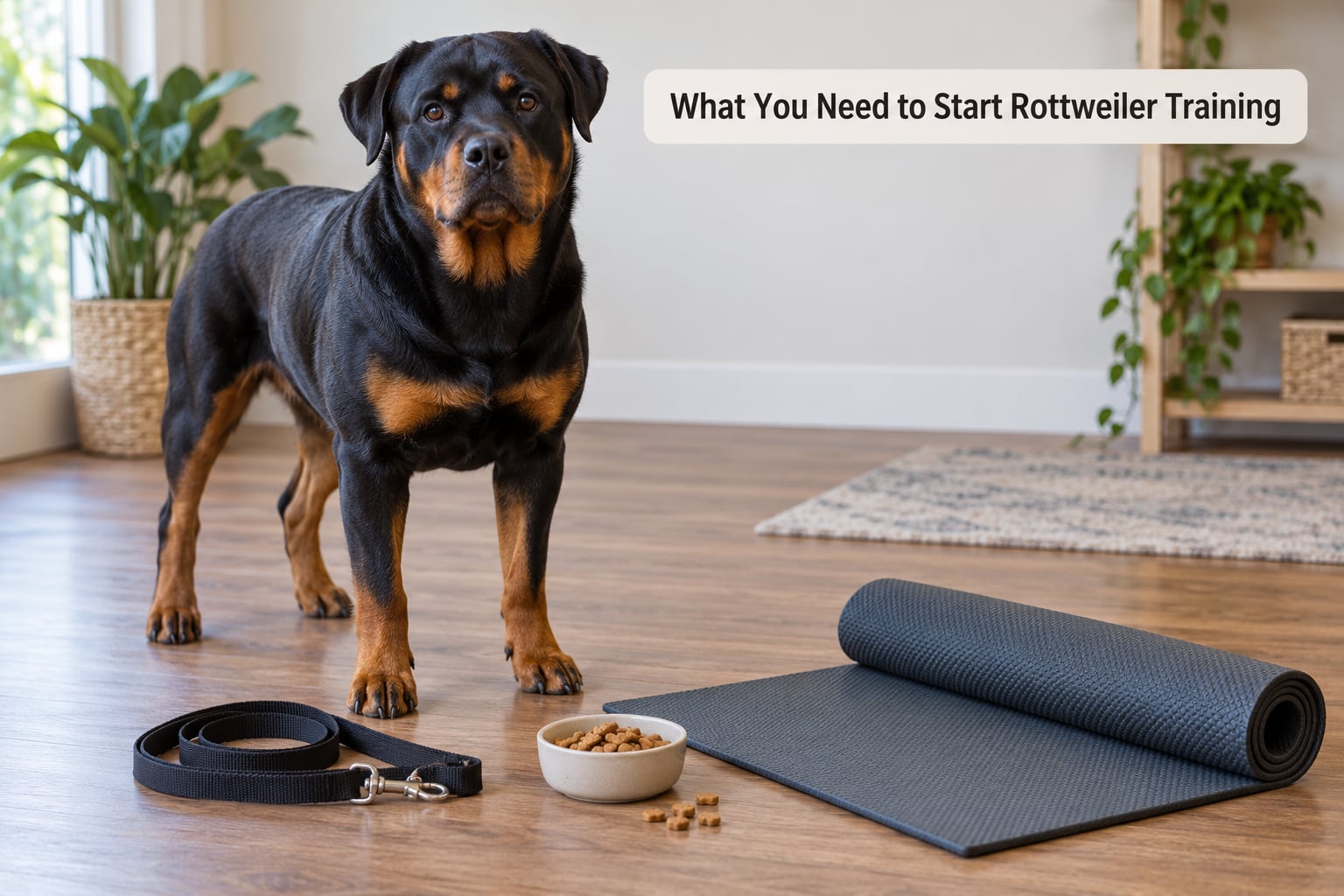
You need very little, and you need it in the first week. Here is the honest list.
Collar or harness, fitted properly
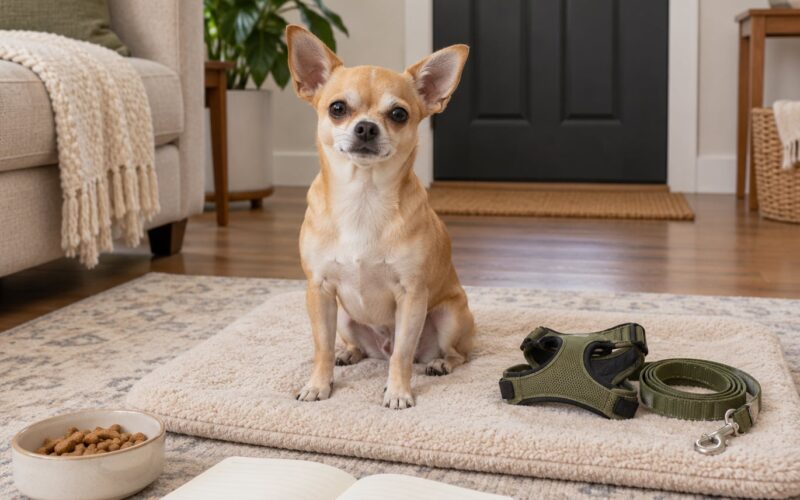
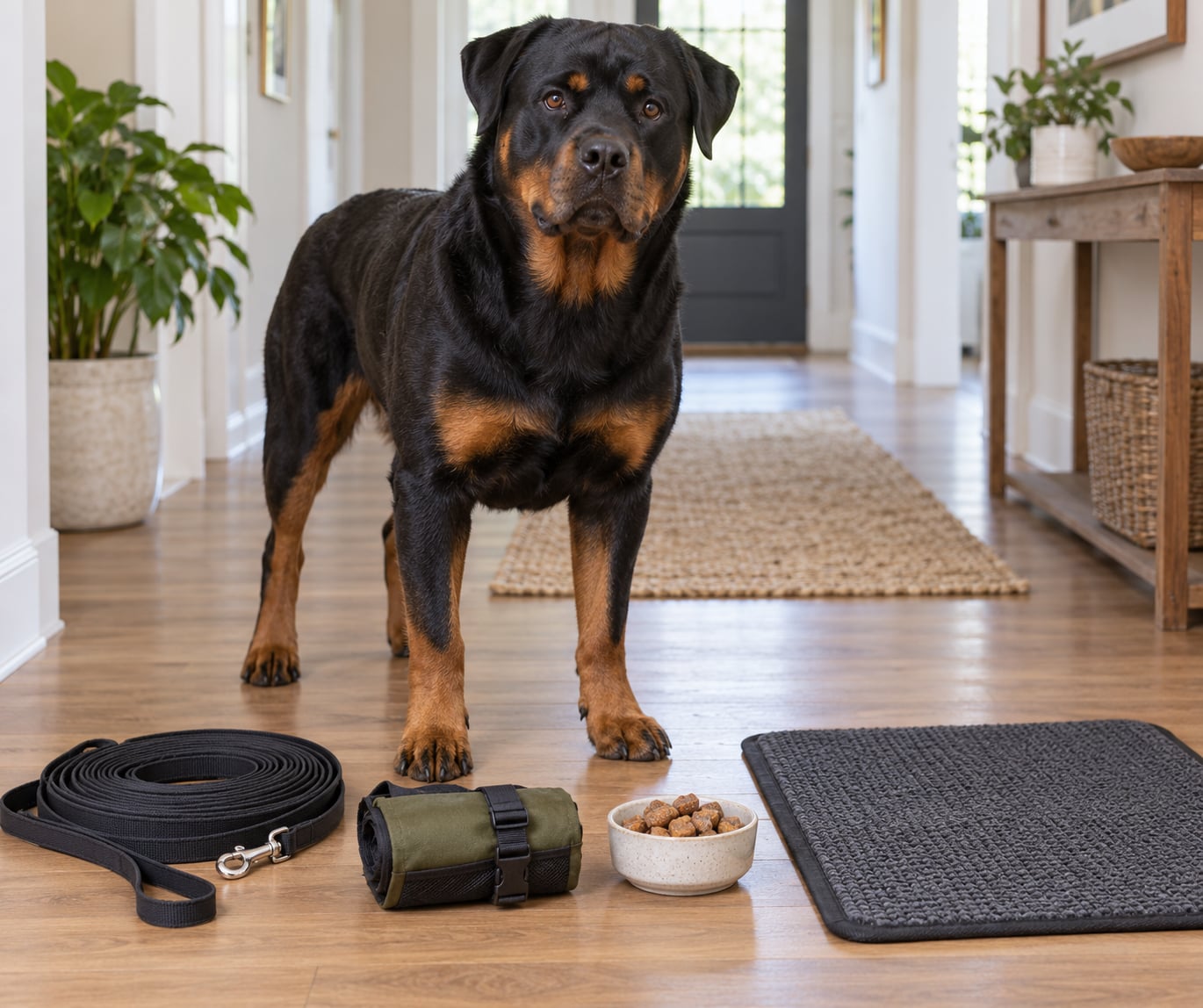
A well-fitted Y-front harness or a broad martingale gives you steering control on a dog that can reach 80-135 lbs as an adult without relying on pressure around the throat. Check the fit by sliding two fingers under the strap; if you cannot, it is too tight. Skip prong collars, choke chains and shock collars. On a breed this sensitive to harsh handling, they buy you short-term compliance and cost you trust later.
A 2 metre lead and a long line
The short lead is for street walks and heel work. The long line, 10-20 metres of rope attached to the same harness, is how you build a reliable recall in a safe area before you ever trust that recall near a road or a dog park.
High-value treats and a treat pouch
Rottweilers are famous food hounds, and owners on r/Rottweiler consistently describe them that way, which is good news for you. Keep two grades: everyday training treats in a waist pouch, and a higher-value stash (dried liver, cheese, hot dog pieces, whatever your dog actually loses its mind over) for new things and for recall outdoors. A mat matters too; it gives the dog a place to settle and gives you a place to end sessions.
A crate or playpen, used as a management tool
A crate is a place to rest and chew, never a punishment and never a way to make a dog stop barking. One caution from experienced owners: leaving food, bones or chews inside a crate can teach a dog that valuable things appear in there, which quietly fuels resource guarding. Use a stuffed Kong or a chew toy he can actually consume, and supervise the first few days.
A routine you can actually keep
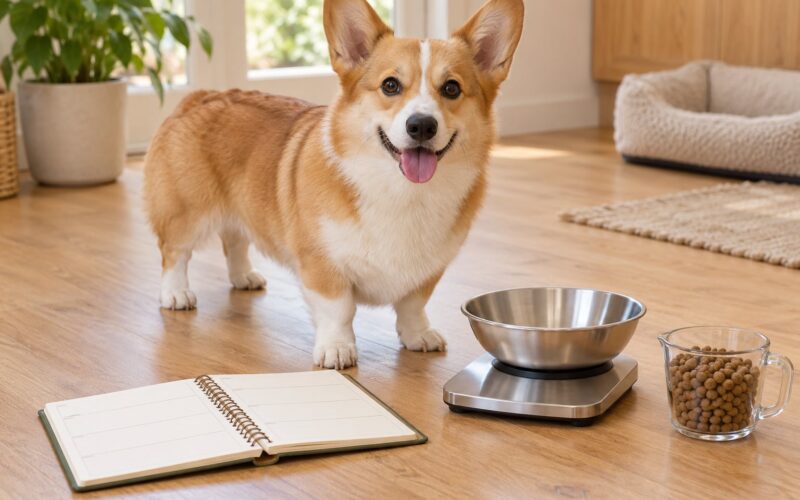
Write down wake time, meal times, walk times and sleep times. Rottweilers are working dogs with a strong sense of routine; an unpredictable day is what produces a dog that demands, digs and barks. Pick two training slots and protect them, even if they are only 8 minutes each.
A named behaviour professional, on standby
Before you need one, find one. Ask your vet for a force-free referral and look for a trainer who holds certification with a recognised reward-based organisation. Your first appointment should be about prevention and body language, not about fixing something that has already gone wrong.
Step-by-Step
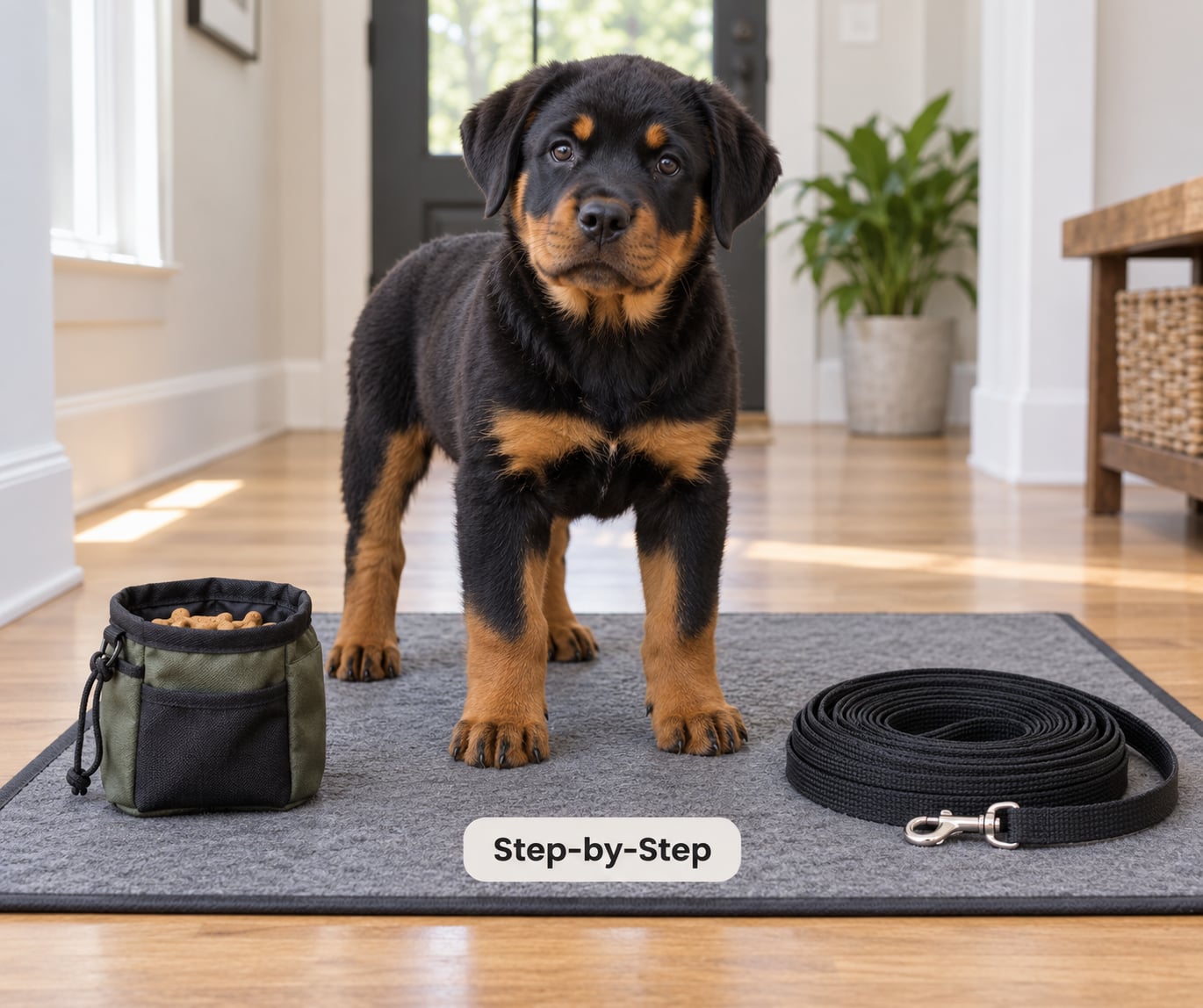
Step 1: Build Trust and Set a Calm Routine
Start the day your dog arrives, usually around 8 weeks, and keep the first two weeks boring. Same rooms, same routine, same people. A puppy that feels safe learns; a puppy that feels overwhelmed shuts down, and a shut-down Rottweiler is the hard one to work with later.
Settle in with the basics: a mat and a settle, a name response with a treat, and hand targets. Mark the behaviour you want with a single word (“yes”) and pay the instant it happens. Five repetitions, then stop while he is still succeeding. Owners who train right after exercise with a long sniff walk report a far more receptive dog, so put your session at the end of the walk rather than the start.
How do you know it worked? He begins offering the behaviour without being asked, and he can take food gently and settle on his mat for a couple of minutes. If he cannot settle, you are rushing him.
Watch for real warning signs during this stage: freezing and hard-staring, lip lifts or growling when you approach food or a sleeping dog, or a dog that crouches and shuts down around handling. Those are not training problems to solve with more effort. Book a professional and stop the DIY plan.
Step 2: Practice Loose-Leash Walking
Leash control is the first thing a first-time owner actually feels, and it is where a lot of Rottweiler training goes wrong. The fix is a freeze-and-reward routine, not pulling back harder.
- Walk the route you intend to use and drop value before you walk it, or scatter treats along it once, so the lead has history before it has friction.
- Start in a quiet area, three to five minutes at a time.
- Move forward, and when the leash goes tight, freeze. Say nothing. Wait.
- The moment he slackens or looks back at you, mark it and pay.
- Walk a few steps, and repeat. Use a planned pause, not a constant tug-of-war.
Reward the position, not the dog. If he is at your left knee and the lead is loose, pay him there, so he learns to hold a spot rather than to seek your hands. Three short walks a day beat one long walk with a fight in the middle of it. You know the habit is established when a squirrel crosses the path and the lead slackens instead of tightening.
Step 3: Teach Core Commands
Rottweiler obedience training follows the same five-rep, marked-reward shape for every cue. Difficulty increases one step at a time: first in a quiet room, then with mild distraction, then in a busy location.
- Sit: lure the nose up and back, mark as the hips touch, pay, then release. Add duration a second at a time. The mistake is repeating the word while the dog is still searching for the position.
- Down: lure down to the mat, mark, pay. Never push a puppy’s shoulders down to force it; that is fear, not training.
- Stay: sit, hand raised, mark, pay, release with a release word. Build the three parts in order: duration, then distance, then distraction.
- Come: start indoors with a short lead, say the word once, move backwards, mark and jackpot when he arrives. Never call for a recall you cannot reward.
- Leave it: hide a treat in a closed fist, wait for the offer, mark, pay from an open hand, then trade for something better. Then progress to a dropped item he must walk past.
Five reps each, two or three times a day, ends the session on a win. That is the whole method, and the consistency is what makes it work on this breed.
Step 4: Add Recall and Mental Stimulation
Recall is the cue that saves your dog’s life later, and it is the one most owners train too cheaply. Clip the long line to the harness, choose a quiet spot, call him once, and move backwards while the line stays slack. Mark, pay heavily, release him back to play. Three good recalls end the exercise; a fourth messy one does not help.
Only shorten the line when he is coming before you call. Then raise the bar slowly: a bench, then a quiet park, then dogs at distance, then a full park.
Mental work keeps him off the sofa and out of trouble. Sniffing is not wasted time, it is enrichment, and a ten-minute scent walk can settle a dog that a forty-minute march did not. Add a stuffed food toy, a scatter of treats in a snuffle mat or a cardboard box of hidden pieces, and keep a short training game in reserve, like find-it with a towel over his head.
From around six months to eighteen months expect regression. He will hear you and ignore you, because the world got more interesting and because adolescent brains are noisy. Hold the line: same cue, same reward, shorter sessions, more distance from distractions. Do not lower your standard and call it patience. Owners who keep rewarding the four reps he does well get through this phase with a dog that still listens.
Step 5: Socialize and Proof Behavior Safely
The 3-16 week window is the highest-return training you will ever do, and after about 16 weeks a cautious Rottweiler can start treating novelty as a threat. Aim for three new things a day: three places, three people, three things, and by week twelve he should have met a good cross-section of the life he will actually live in.
What that exposure looks like in practice:
- People in layers: a friendly neighbour at a distance first, then a calm adult up close, then children with a handler present.
- Dogs at distance, watched without a greeting, before any contact is allowed.
- Surfaces and sounds: metal grating, a garage door, a vacuum, traffic, rain.
- Handling: feet, ears, mouth area, so a vet or groomer is not a fight later.
Proofing means taking a cue he already knows and practising it somewhere new. Sit in the kitchen, then on the porch, then at a friend’s house, then in a busy street. Most owners hit this wall around seven months when he obeys at home and blows you off outdoors, and the cause is almost always location, not stubbornness.
Read the body, not the reputation. A calm dog has loose muscles, a loose mouth and a soft body, and can move away. A watchful dog has a closed mouth, forward weight and a still body, and may step in front of you. A stressed dog shows a hard stare, pinned ears, a tucked tail, lip lifts or a whale eye. Watchfulness and a protective instinct are normal for the breed and are not automatically aggression; growling, freezing and refusing to move away are behaviour you hand to a professional.
Never force an interaction your dog cannot exit, and never let strangers or children reach for him. If he eats treats better while meeting a dog, that is a useful bridge, but it is a bridge, not a cure.
Common Mistakes
Nearly every problem that comes up in rottweiler training for first time owners traces back to one of these. The fix for each is on the right.
Using punishment, prong collars or dominance methods
Alpha rolls, pinning the dog, yelling or shock collars produce a dog that complies out of fear and shuts down when you are not there. It also damages the recall you will need most. Switch to reward-based handling and, if fear has already set in, get qualified help rather than pushing through.
Changing the rules between family members
If one household member feeds from the table and another says no, the dog has not learned anything. Write three or four household rules on a sheet on the fridge and agree to them. This is the single most common thread running through first-owner problems.
Making sessions too long
A tired, over-trained puppy shuts down and starts avoiding you. Five to 15 minutes, twice or three times a day, ending on a win. If he is eating the treats on the floor by minute three, you have trained too long.
Overcorrecting a pull
Jerking back on a leash of this size teaches a dog to resist the lead, not to respect it. Stop walking, wait for slack, pay him there, and repeat. Take planned pauses rather than corrections.
Ignoring warning signs
Freezing, hard staring, repeated growling or a dog that shuts down and hides are data, not defiance. Keeping a growing dog in a home with children or other pets while you train the problem out is how injuries happen. Call a force-free behaviourist or your vet.
Training only at home
A cue that has never been practised in a busy street barely exists. Proof every cue in at least three locations before you call it reliable.
| Do this | Not this |
|---|---|
| Reward calm behaviour as it happens | Wait until he is out of control, then correct |
| Set household rules together and write them down | Change rules depending on who is in the room |
| Keep sessions to 5-15 minutes, two or three a day | Run 45-minute sessions once a week |
| Let him sniff and settle between training sets | Use sniffing as a reward for rushing past you |
| Use a crate for rest and chewing | Use the crate as a punishment or leave bones in it |
| Supervise children around food and sleeping dogs | Leave a food-guarding dog alone with children |
Troubleshooting: symptom, likely cause, first fix
| Symptom | Likely cause | First fix |
|---|---|---|
| Hard leash pulling | Never rewarded for being beside you; no pause procedure | Freeze-and-reward on a quiet route, three sessions a day |
| Ignores you outdoors only | Cue never proofed past low distraction | Add one distraction level per week, reward heavily |
| Barks at or lunges toward dogs | Too little distance and no exit from the situation | Work below threshold, feed on approach, build a U-turn cue |
| Guards food, toys or bones | Value removed from him, often by a child or an adult | Supervise every resource; trade for better treats; call a professional |
| Sudden loss of listening at 7 months | Normal adolescence plus slipping rewards | Shorten sessions, raise reward value, hold the same cues |
| Bites hands during play | Normal mouthiness never redirected | Redirect to a toy, teach an exchange cue, yelping never helps |
One last thing first-time owners ask in private: did I break my puppy’s confidence by being strict? Possibly, if you used force. The fix is not to go soft, it is to be predictable and rewarding. Most dogs rebuild trust quickly once handling becomes consistently pleasant.
Frequently Asked Questions
When should I start rottweiler training for first time owners begin?
Start the day your puppy arrives, usually at 8 weeks. The first fortnight is settling in, not obedience: build routine, reward settling on a mat, and handle paws and mouth gently. Real obedience work in 5-rep sets runs from week three onward. If you adopted an adult, train the same plan, just set the first goal as loose-lead walking and a reliable name response rather than sit and stay.
Can a first-time owner successfully train a Rottweiler?
Yes, if you can be consistent. Rottweilers are strong, intelligent and often food-motivated, which means short reward-based sessions work well and results show quickly. What does not work is inconsistency or harsh handling; a dog taught rules that keep changing is harder than one taught nothing. Consistency, not experience, is the deciding factor.
How long should each Rottweiler training session be?
Five to 15 minutes, two or three times a day, is the working range for a puppy. Short, frequent sessions beat one long effort because a Rottweiler loses focus and starts ignoring cues within about ten minutes. End every session while he is still succeeding so the last memory is a win, and place the session after exercise and a sniff walk when he is most receptive.
How much exercise does a young Rottweiler need?
An adult Rottweiler typically needs 45-60 minutes of physical work a day plus sniffing and mental enrichment. A puppy needs far less structured exercise at any one time, because growth plates and joints are still forming, so spread activity across several short walks and keep hard repetitive running, stairs and long hikes off the menu until your vet confirms growth. Fitness grows gradually; boredom is the real problem with under-exercised puppies.
Should I use punishment or dominance methods with a Rottweiler?
No. Roll the dog, pin him, yell or use shock and prong collars, and you get fear-based compliance that disappears the moment you are not there, plus a dog more likely to guard and less likely to listen. Reward-based training suits this breed because of its food motivation and its sensitivity to rough handling. Force can also slow learning, because a frightened dog cannot think.
When should I hire a professional Rottweiler trainer?
Hire a force-free professional early, before problems harden, and immediately if your dog freezes and hard-stars, growls, guards food or toys, is dog-directed or handler-aggressive, shuts down or hides around people, or is afraid in ways that do not improve. Also book a class if your puppy is mouthy or pulling at 8 weeks and you cannot get traction alone. Ask your vet for a referral and insist on reward-based methods.
Conclusion
Do one thing this week: pick two short sessions a day, reward settling and loose-lead walking on a quiet route, and start a written list of the three or four household rules every person in your home will follow.
That habit is what turns a strong, intelligent dog into a manageable one. Keep sessions short, reward generously, and let him sniff between sets. And if freezing, growling, guarding or fear shows up, stop and talk to your vet about health and pain first, then to a qualified behaviour professional about handling it safely. Never medicate a dog yourself, and never leave a dog you suspect of guarding around children.