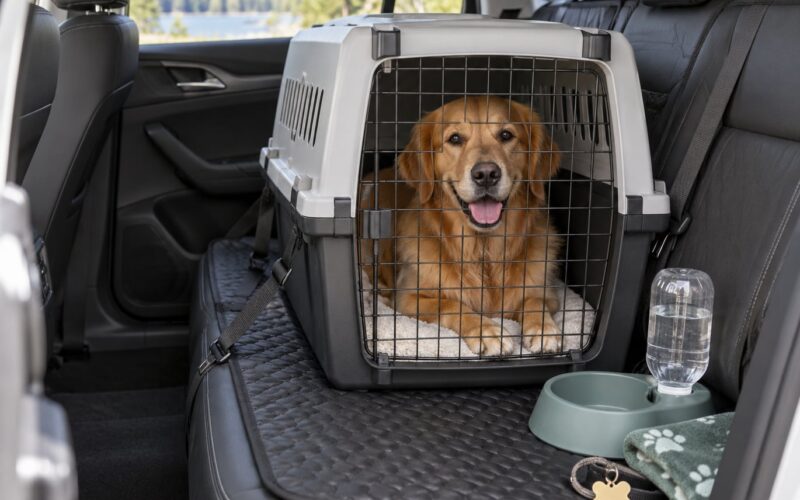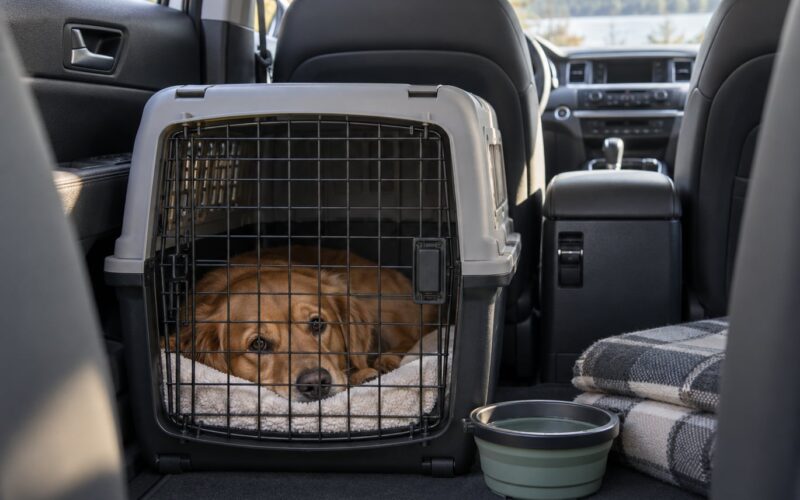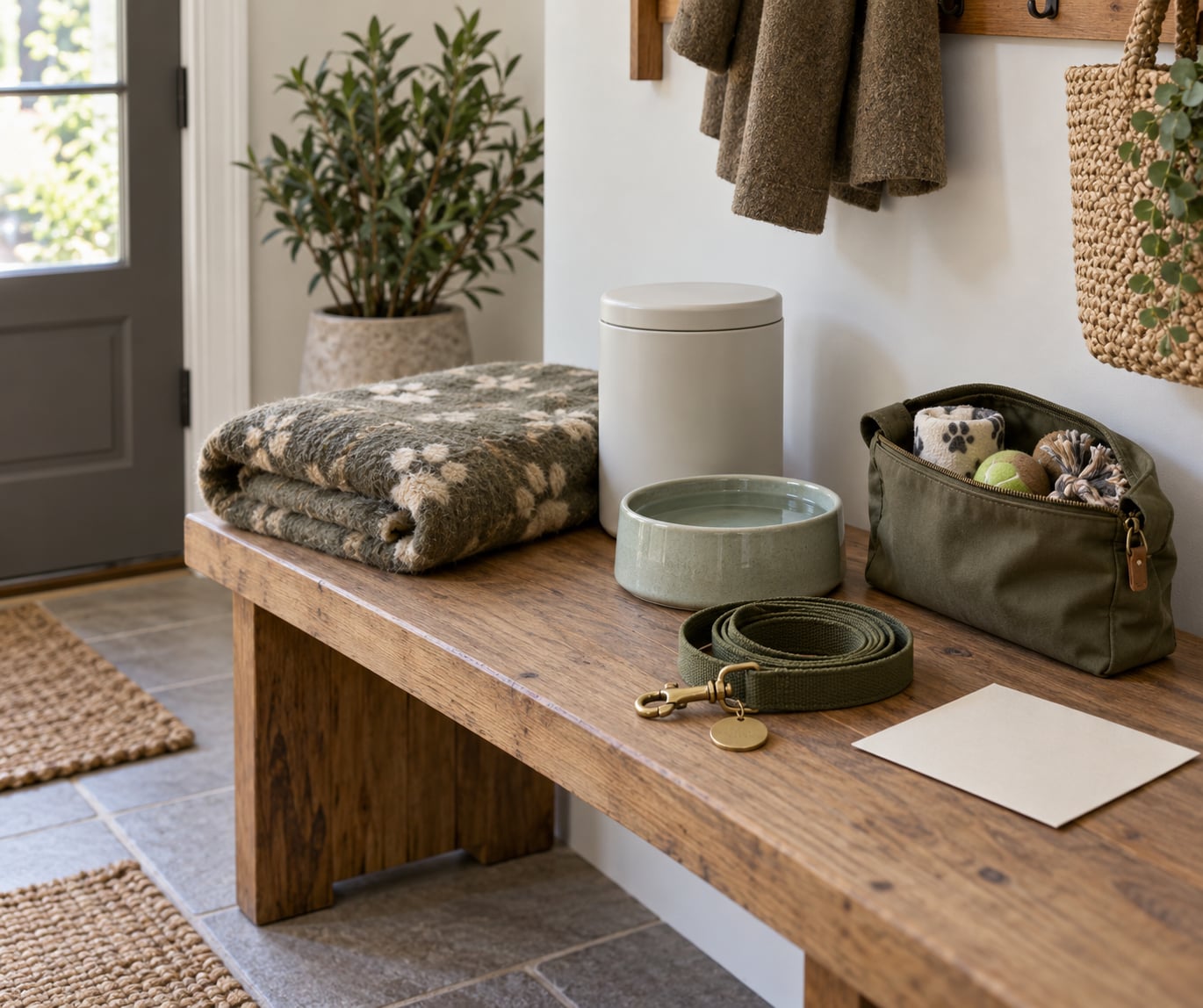
To leave a dog with a sitter stress free, keep the goodbye under a minute, hold the daily routine exactly where it already is, and give the sitter written instructions before you walk out. A short meet-and-greet a week or two ahead does more for a nervous dog than any toy you can pack.
Most dogs cope better with a sitter than their owners expect. What they struggle with is the handover itself. Dogs read human tension, and a long, emotional farewell at the door tells your dog something is wrong even when nothing is.
The trick is to make the whole thing boring. Familiar smells, familiar times, familiar food, and a sitter who is not a stranger on the day they arrive. This guide walks through what to gather before the stay, how to run the seven steps that make drop-off predictable, and the signs that mean you should call a vet instead of pushing through.
One note up front: anything medical belongs with your veterinarian. Never give a dog human medication, and never ask a sitter to do it on your say-so alone.
Table of Contents
- What You Need
- How to Leave a Dog With a Sitter Stress Free, Step by Step
- How to leave a dog with a sitter stress free on day one
- Choose a sitter who matches your dog’s needs
- Keep the routine familiar before the stay
- Prepare your home and give the sitter clear instructions
- Make the drop-off calm and predictable
- Give the sitter time to settle the dog
- Reunite calmly and watch the recovery period
- Common Mistakes
- Booking a long first stay
- The emotional drop-off
- Leaving instructions in your head
- Changing the routine right before departure
- Using human medication
- Crating as punishment at the sitter’s house
- Panicking about what happens while you are away
- Ignoring the warning signs
- Frequently Asked Questions
- How long should a first sitter stay be for my dog?
- Should I use a sitter who stays in my home or a boarding facility?
- How can I help a dog with separation anxiety when using a sitter?
- What if my dog will not eat while I am away?
- What information should I give a dog sitter in writing?
- Can I ask the sitter to give my dog human medication?
- Conclusion
What You Need
Most of the work happens before the sitter ever meets your dog. Gather these items and the handover becomes a ten-minute conversation instead of a frantic search through the kitchen drawer.
- A sitter you have met. Someone your dog has seen at least once before, ideally twice. Ask for references from previous clients and whether they hold any pet first-aid or veterinary credentials.
- Veterinary contact details. Your regular clinic, plus a 24-hour emergency clinic near your home and the sitter’s home. Two numbers, not one.
- Written care instructions. Meal portions, feeding times, water, medication with exact doses and times, walk times, potty schedule, allergies, calming cues, and what to do in an emergency.
- Identification. A collar with an ID tag and a readable microchip number. If the chip is not registered to you, fix that before the stay.
- Familiar bedding. The blanket the dog sleeps on every night, not a new one.
- A scent comfort item. A worn t-shirt that smells like you. Owners on dog forums consistently report this is the item that helps most during the first night.
- The favourite toy. One toy, not a bag of five. If your dog has a favourite chew, pack a spare.
- Treats your dog already knows. Nothing new during a stay. A treat the dog has never tried is a bad idea on an unfamiliar day.
- Waste bags and a spare lead. Also any harness, and the food you normally give.
- A note authorising care. Some clinics ask for written consent covering exam, diagnostics, and treatment within a set limit. Ask yours what they need.
If your dog takes any medication, ask your vet how it should be timed across the handover and who is authorised to give it. Never hand a sitter a human pill and say “one if he seems stressed.”
How to Leave a Dog With a Sitter Stress Free, Step by Step
Seven steps, run in order. Each one removes a bit of uncertainty, and uncertainty is what most dogs find hard.
How to leave a dog with a sitter stress free on day one
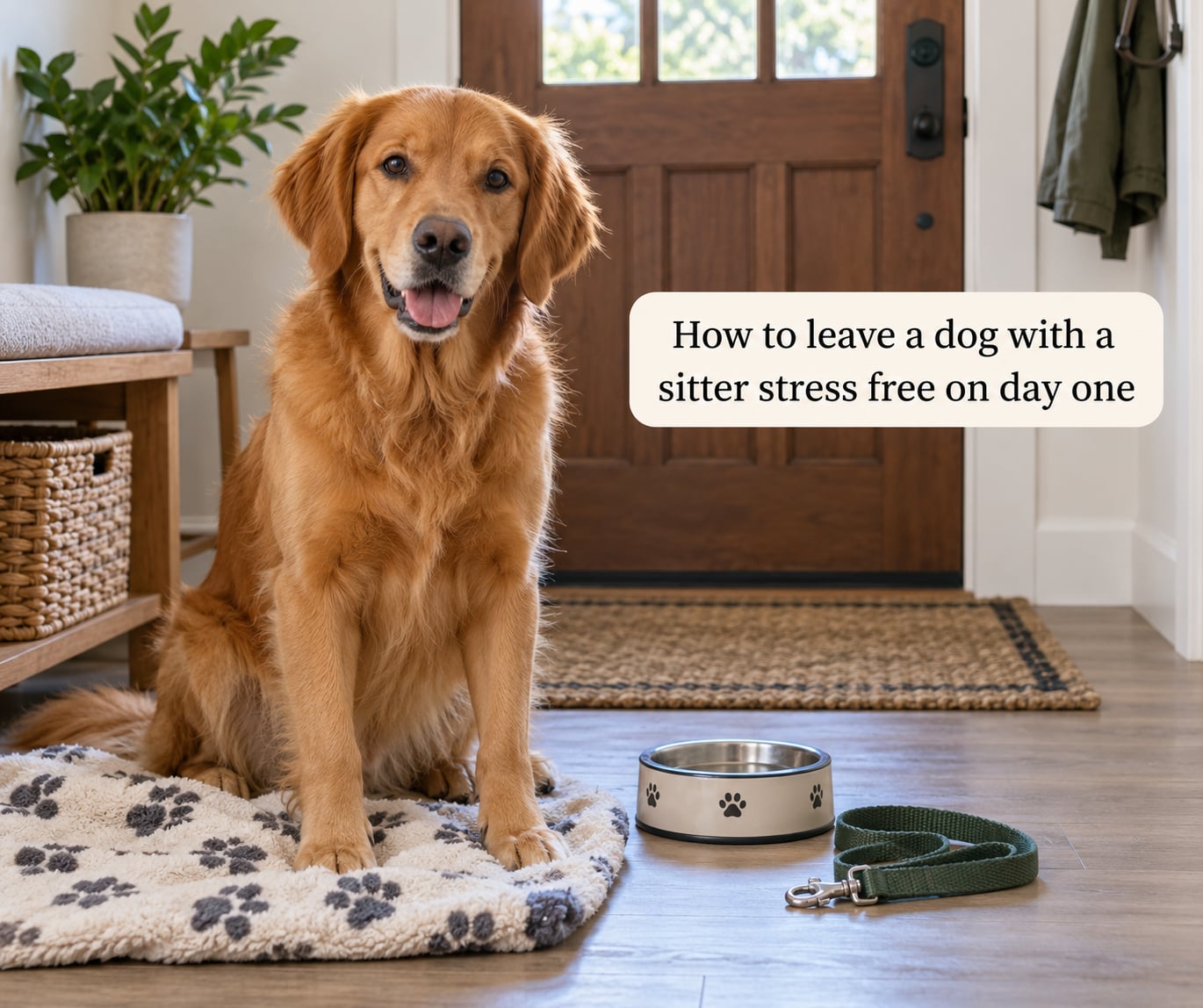
Do not start with a five-day holiday. Start with a visit of an hour or two, where you stay home and the sitter interacts with your dog while you watch.
Ask the sitter to move slowly and let the dog set the pace. One of the most useful pieces of advice on dog-sitting forums comes from sitters who do this every day: calm body language and a dog allowed to approach in its own time do more for a nervous dog than any toy.
If the trial goes well, book a single overnight next. Short stays build a pattern far better than one long first booking, and they tell you early whether your dog eats, sleeps, and walks with someone new.
Choose a sitter who matches your dog’s needs
A sitter who is wonderful with calm labradors may be a poor match for a reactive rescue, and it is not about skill. Ask directly whether they have worked with your dog’s size, temperament, and any health conditions.
Match the arrangement to the stay. In-home sitting keeps your dog in its own environment, which usually means lower stress and an intact routine. A boarding facility works well for social dogs and multi-dog households, and it suits owners who need the dog gone from a space that will be disinfected. Friends or family can be ideal when they already know your dog, and forums tend to rate familiar faces above a professional facility. Be honest with friends about the work, though, because a favour rarely comes with a care plan attached.
Watch out for red flags at the meeting. Someone who cannot commit to more than one or two visits a day, has no emergency vet plan, gives no references, rushes the meet-and-greet, or suggests sedating your dog without a vet conversation are reasons to walk away. If your dog cannot be handled by a stranger without stress, a qualified behaviour professional is a better first call than a facility that will just tell you it settles down.
Keep the routine familiar before the stay
Hold feeding, walking, medication, bedtime, and activity times steady for several days before you go. Predictability is the whole point: a dog that has eaten at 7am and walked at 7:30am for a week has a pattern to fall back on when everything else is strange.
Keep your own calendar clear in that same window. No new training project, no house full of guests, no furniture rearranged around the crate. A clever dog reads a changed environment as change of any kind.
Stop using phrases like “guard the house” or “be good, mummy is going away.” People on dog forums report removing those cues entirely, because the words themselves become a trigger.
Prepare your home and give the sitter clear instructions
Write it down rather than explaining it in a rush on the day. A one-page handover sheet beats a long conversation.
- Meal portions in grams or scoops, plus exact times. Note any quirk, such as a dog that empties the bowl then asks for more.
- Medication: name, dose, time, and a note of what each pill does.
- Water: refill on a schedule, and where the bowls live.
- Walks and potty breaks, including the command word you use and where the dog is allowed off-lead.
- The dog’s calming cues: what it looks like when he is starting to worry, and what actually helps.
- Emergency contacts, your vet’s number, the 24-hour clinic, and the authorised spend limit.
- Household safety: doors and windows the dog can reach, houseplants that are toxic, bins, cables, medication on low surfaces, and other pets.
Go through the house physically with the sitter. Point at things rather than assuming. The one walk that clears a table is worth more than a page of notes.
Make the drop-off calm and predictable
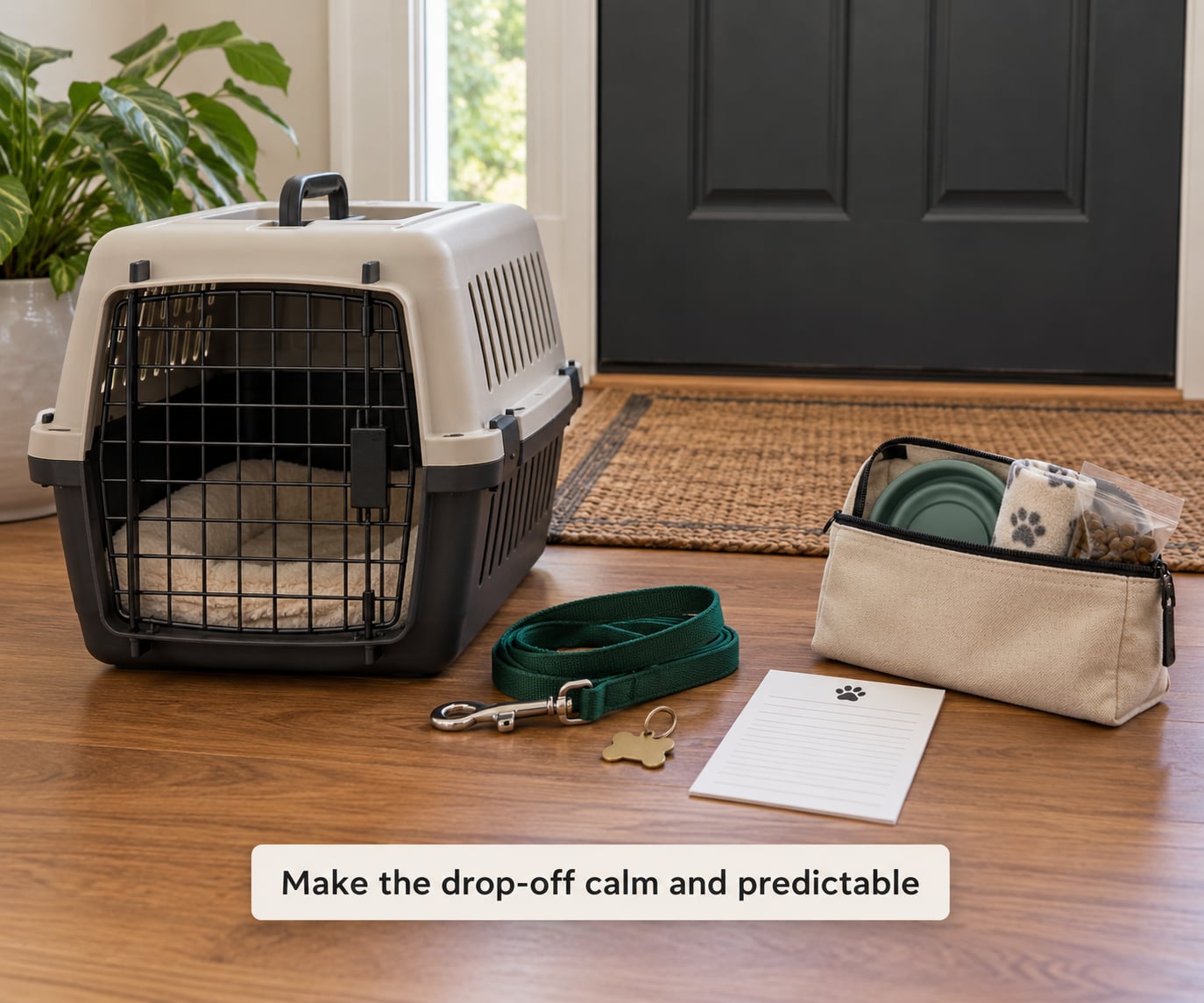
Arrive a few minutes early, not late. Hand over the sheet and the supplies without discussing your dog’s fears out loud, because a worried owner produces a worried dog.
Build a short goodbye ritual and stick to it. Leave the house, walk out, close the door. No looking back, no long hug, no apologising. Forum commenters widely agree that ignoring the dog for the final 15 to 30 minutes before leaving measurably reduces frantic behaviour.
A long exercise or off-lead run before you go helps. So does a frozen chew or a stuffed puzzle feeder left with the sitter, which buys you a calm doorway exit and gives the dog a job in the first ten minutes after you leave.
If your dog will not move, follow the sitter’s recommended transition rather than going back in. Repeated returns teach your dog that the goodbye can be renegotiated.
Give the sitter time to settle the dog
Ask the sitter to follow the normal sequence: arrival, bathroom break, water, a short walk, rest, then a meal. Constant activity is not soothing, and it usually backfires.
Some unsettled behaviour in the first hours is normal. Panting, pacing, some barking, a refused meal, or restless sleeping on night one usually settles. Worry more if symptoms persist for days, escalate, or come with physical signs like vomiting, diarrhoea, limping, or not drinking.
Ask for photo or video updates two or three times a day. Owners consistently say this is what actually reduces their own anxiety, and it gives the sitter something to escalate early if she looks off.
Reunite calmly and watch the recovery period
On return, ignore your dog for about ten minutes. Sit down, unpack, breathe. A frantic greeting after a few days apart sets everyone off and can leave a dog wound up for hours. Forum regulars report that owners who kept the return boring had calmer evenings.
Give the dog a quiet room and water, then let him come to you. Return to the normal routine over the next day or two rather than immediately changing everything.
If the stress lingers more than a couple of days after you are home, or turns into destructive chewing, house training laps, or a dog that cannot settle at all, talk to your vet. Separation anxiety is treatable, and a behaviour professional or a vet-prescribed plan works far better than a holiday you spend refreshing your email.
Common Mistakes
Booking a long first stay
It is the most common and the easiest to fix. Trial visit, then an overnight, then a week. You learn far more in two short stays than in one eight-day booking after a single rushed meeting.
The emotional drop-off
Crying, hugging, apologising, and looking back amplify your dog’s stress. Have the goodbye down to under a minute and make it neutral. One owner described the switch simply: she used to leave slowly, and once she started leaving the same way she leaves for the shops, the frantic scratching at the door stopped within days.
Leaving instructions in your head
A sitter working from memory gets portions and medication times wrong. Write it, mark the doses on the day sheet, and put the sheet somewhere visible. Clear instructions reduce owner anxiety as much as they reduce sitter error.
Changing the routine right before departure
New guests, a new crate position, a new walk time, or a new food in the final week all add load. If something has to change, change it a fortnight earlier, not three days before.
Using human medication
Never give a dog ibuprofen, paracetamol, sedatives bought for people, or anything else without a vet prescribing it for that dog. Some human drugs are toxic to dogs and the dose that works on a person can be dangerous on a dog. If you are considering anything at all for anxiety, that is a conversation for your vet, including what is genuinely available over the counter for dogs and what is not.
Crating as punishment at the sitter’s house
Keep the sitter to what your dog already does at home. A crate the dog has never been in, used for long stretches, adds stress rather than removing it. A senior dog, a puppy, or a dog with separation anxiety may need the sitter’s supervision instead.
Panicking about what happens while you are away
The owner’s stress is worth managing too, because it shows up in the handover and then in every update you read. Agree the update times in advance, ask for photos rather than constant availability, and remind yourself that routine plus familiar faces is what keeps a dog steady. Owners on dog forums talk about losing most of a holiday to refreshing their inbox, then getting it back by booking two fixed video updates a day and a daily walk report and checking nothing else.
Ignoring the warning signs
Seek veterinary advice for refusal to eat that lasts more than a day, repeated vomiting or diarrhoea, refusal of water, a dog that will not let the sitter handle him, panting or restlessness that escalates through the stay, or destructive behaviour at the door and windows. Sudden restlessness with no obvious cause also needs a vet, since pain and illness can look like anxiety.
Frequently Asked Questions
How long should a first sitter stay be for my dog?
Keep the first real stay short. A one-to-two hour visit with you at home, then an overnight, then three to four days works well as a ladder. A dog that has met the sitter twice and survived two nights usually settles in a longer booking. Do not make your first sitter stay a two-week trip, because you will not get useful information until it is too late to change anything.
Should I use a sitter who stays in my home or a boarding facility?
In-home sitting usually means lower stress for most dogs: the environment, smells, routine and bed stay the same, and the sitter can follow your normal timings. A boarding facility suits social dogs, multi-dog households, and owners who need the house free, but the environment change adds stress. A friend who already knows your dog is a good third option if you write down the care details anyway.
How can I help a dog with separation anxiety when using a sitter?
Start with several short practice absences that you return from quickly, rewarding calm behaviour, so departures stop being the signal that something bad follows. Then use a sitter your dog has already met, keep the routine identical, and leave a long walk and a frozen chew or puzzle feeder behind. For persistent panic, ask your vet about a behaviour referral rather than trying to manage it alone.
What if my dog will not eat while I am away?
A skipped meal on day one or two is common in an unfamiliar place. Ask the sitter to try the normal bowl, then a small topper mixed in, then a spoonful of wet food, and to report back after each meal. If your dog eats nothing for a full day, stops drinking, or seems flat, ask the sitter to contact the vet the same day.
What information should I give a dog sitter in writing?
Give one page covering exact meal portions and times, medication name, dose and time, water and potty schedule, walk times and lead commands, allergies, your dog’s calming cues, emergency vet contacts, the authorised treatment limit, and house safety notes such as gates, windows and toxic plants. Include your vet’s details and any written consent the clinic requires for treatment while you are away.
Can I ask the sitter to give my dog human medication?
No. Human painkillers, sleep aids and sedatives can be toxic to dogs and should only be given when your own veterinarian prescribes something for your dog, with the dose and timing written down. Some medicines are made for people only and have no safe dog equivalent. If you are worried about anxiety during the stay, book a vet appointment before the sitter arrives.
Conclusion
Learning how to leave a dog with a sitter stress free comes down to four habits: a short trial before anything long, a routine that does not change, written instructions that a stranger can follow, and a goodbye under a minute with a quiet reunion on the other side.
Start with the meet-and-greet. If your dog already shows panic, refuses food, or will not let a stranger handle him, speak to your vet first and ask about a behaviour referral. Medical and behavioural problems are worth a professional, not a longer goodbye.