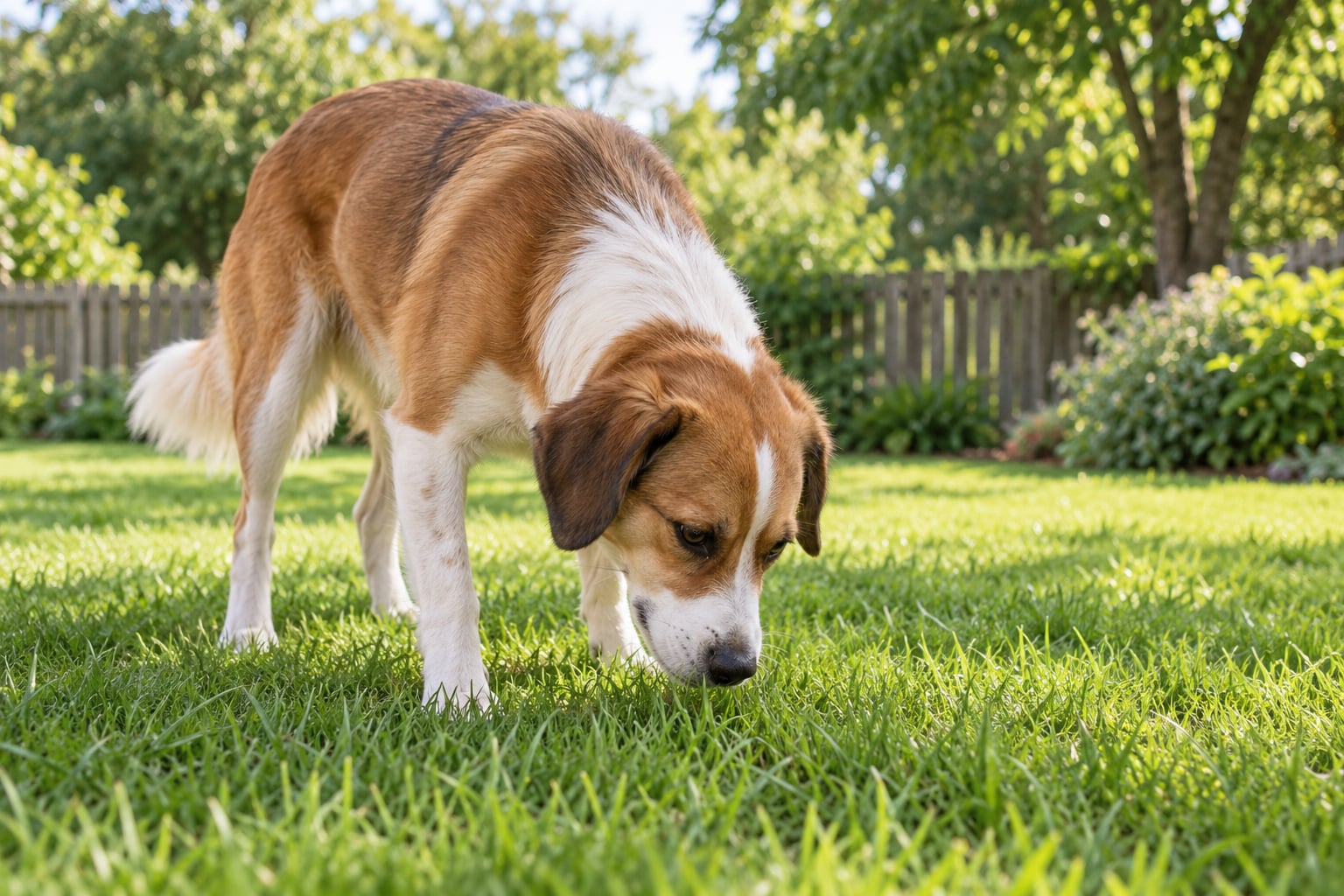
Sudden grass eating usually comes down to curiosity, boredom, an appealing smell, a fiber-hungry diet, or a mildly unsettled stomach. Dogs are opportunistic eaters and grazing is an inherited habit, not a sign your dog is sick. The part worth paying attention to is what happens next: vomiting, refusing food, or no interest in anything else.
A survey of 1,571 dogs that eat plants found that about 68% grazed daily or weekly, only 9% had been unwell beforehand, and just 22% vomited afterward. Most dogs who graze are not doing anything remarkable. Owners on pet forums often describe the opposite story, though: a dog that ate a full bellyful of grass overnight and then ate breakfast perfectly well the next morning.
That gap is the whole reason this question keeps coming up. The behavior itself is rarely the problem, so let’s look at what a sudden change in it actually means.
Table of Contents
- Why Is My Dog Eating Grass All of a Sudden?
- Common Reasons Dogs Eat Grass
- Is It Normal for a Dog to Eat Grass?
- Sudden Changes That May Trigger Grass Eating
- When Grass Eating May Signal a Health Problem
- How to Tell If Your Dog Is Eating Too Much Grass
- What You Can Do About Sudden Grass Eating
- How to Prevent Grass Eating Safely
- When to Call the Veterinarian
- Frequently Asked Questions
- What to Do First
Why Is My Dog Eating Grass All of a Sudden?
Dogs eat grass for a short list of reasons, and most of them are ordinary: ancestral foraging instinct, the taste and texture of fresh growth, boredom, hunger, stress, mild nausea, or a diet that is light on fiber. A sudden spike usually traces back to something that changed, like a new food, a new schedule, more time alone, or a season with tender growth everywhere.
The reason to pay attention is the combination, not the grass. Calm nibbling followed by a normal evening is unremarkable. Frantic gulping, repeated vomiting, refusing dinner, or a dog that will not settle is a different conversation, and one worth having with your veterinarian.
Common Reasons Dogs Eat Grass
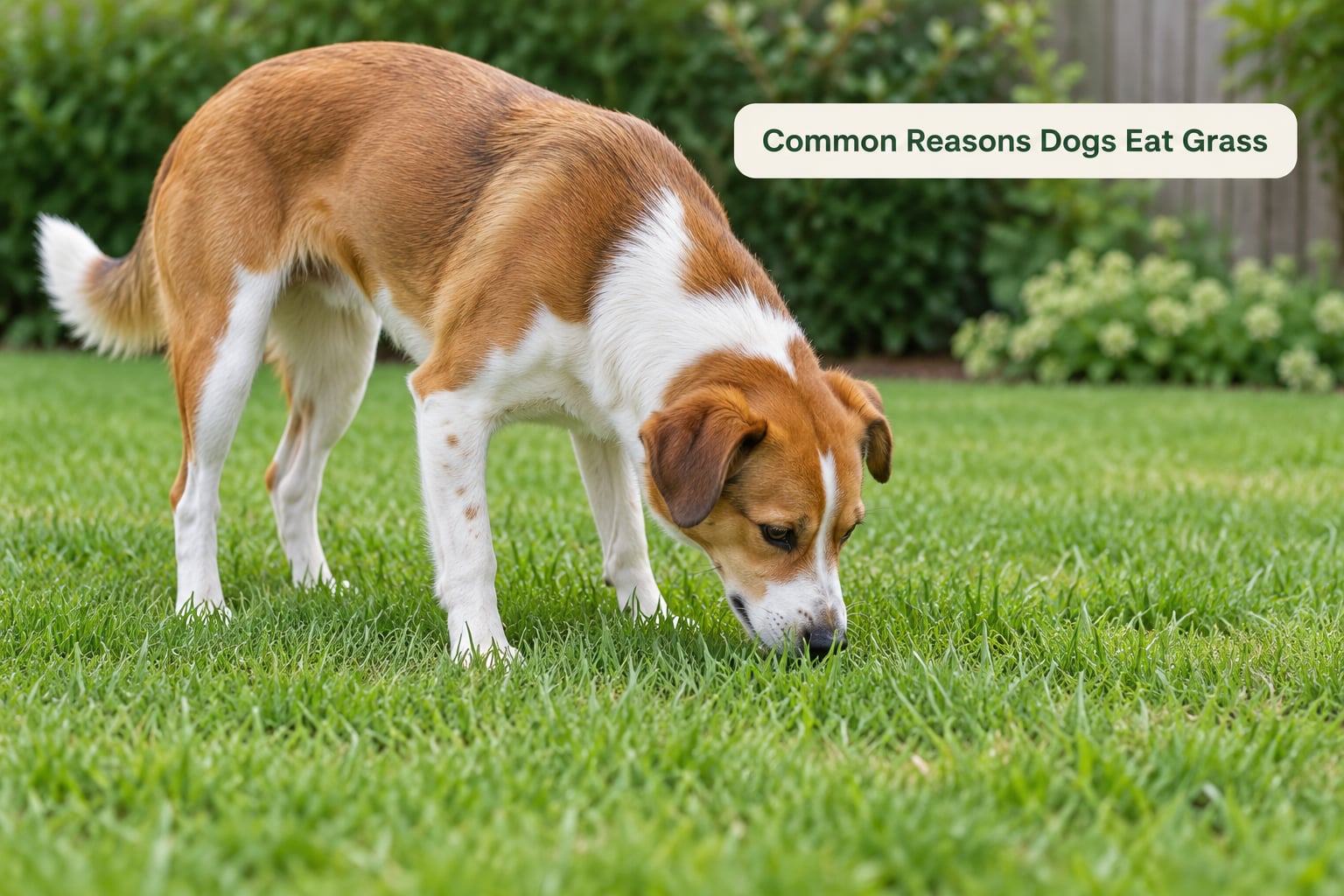
Start with the least dramatic explanation and work down. Owners who jump straight to “my dog is sick” often miss something much simpler.
Instinct and ancestral foraging
Dogs descend from canids that eat plant matter along with meat, and wild canids still do it. Grazing is a leftover foraging pattern that shows up in pet dogs with no survival reason at all. It tends to appear in puppies, who also put everything else in their mouths, and it usually fades with age.
Boredom, stress, or too much time alone
A dog with nothing to do and a whole yard to roam will invent a hobby. Dogs left alone longer than usual, or suddenly stressed by a move, a new pet, or a changed household routine, are the ones owners most often describe as starting to graze out of nowhere. Some dogs only do it on walks, which points to stimulation-seeking rather than illness.
It smells or tastes good
Fresh, damp grass carries scent and a particular texture that plenty of dogs enjoy. Selective, unhurried grazing where your dog walks a few steps, takes a mouthful, moves on, and comes back happy is more about enjoyment than discomfort. Owners often describe it as meditative.
Hunger or a diet low in fiber
A dog who finishes dinner in ninety seconds and is still hunting for more may be grazing because it is genuinely hungry. Diets that are low in fiber leave some dogs looking for roughage. Owners who switched to a higher-fiber food report less grazing, though that is anecdotal and worth confirming at a wellness visit rather than guessing at.
Mild stomach discomfort or nausea
Look for the other signs: drooling, repeated lip licking, frequent swallowing, restlessness, and stomach noises. Grass eating on its own is weak evidence of nausea, because most grazing dogs are perfectly comfortable. Look for what your dog stops doing, not what they add.
Do dogs eat grass to make themselves vomit?
This is the most repeated myth in the topic, and the survey data argues against it. Only 22% of the dogs in that study vomited after eating plants, and just 9% had been unwell beforehand. If your dog was grazing calmly and a while later vomited, the timing does not prove the grass caused it. Never give a medication or remedy to force a dog to vomit, and ask your vet before you try anything at all.
Is It Normal for a Dog to Eat Grass?
Occasional grazing is normal enough that most vets will not raise an eyebrow. Think about three things together rather than the grass alone: how much went in, what your dog did right after, and what else changed that week.
A dog that eats a few blades, walks off, and plays normally is doing nothing concerning. A dog that eats a noticeable amount every single day, especially one on a complete and balanced diet, is worth a mention at the next appointment, mostly so the vet can look at fiber intake and body condition.
Some dogs graze far more than others. Puppies and young dogs do it out of curiosity, high-energy dogs do it when they have not been out enough, and dogs with sensitive stomachs tend to notice grass sooner. None of that on its own is a diagnosis.
Sudden Changes That May Trigger Grass Eating
A sudden change deserves observation rather than assumptions. These are the shifts owners most often report immediately before grazing picked up.
- A new food or a switch between brands. Even a gradual transition can upset a stomach for a few days, and a new smell in the bowl may push your dog to look elsewhere.
- A changed meal schedule. Later feedings, skipped meals, or free-feeding changes all shift how hungry your dog feels during the day.
- More stress or more time alone. Owners frequently notice grazing spikes after a house move, a new pet, or a stretch of long days by themselves.
- An unfamiliar outdoor environment. A new route, a new park, or a neighbor’s lawn with different grass and different smells.
- Season and weather. Tender spring growth, lawns that have just been rained on, and drought-stressed grass all change what is worth eating.
- Less exercise or fewer outings. A dog who used to burn energy on walks and now does not will often reallocate that energy to something available, like the lawn.
Night-time and pre-dawn grazing come up often enough to deserve their own note. A dog who gets up between two and four in the morning, eats grass, then goes back to bed may be doing it because the yard smells different in the dark hours, or because an empty stomach feels worse at night. Owners on dog forums report this pattern most in dogs who are also left alone during the day. If your dog is pacing, retching, or cannot settle at that hour, treat it as a health question rather than a quirk.
When Grass Eating May Signal a Health Problem
Sudden grazing combined with any of the following is your cue to contact a veterinarian rather than keep observing.
- Repeated vomiting, or vomiting again within a short window after grazing
- Diarrhea, especially watery or bloody stool
- A sudden loss of appetite or refusal of water
- Lethargy, hiding, or a dog who is not himself
- Abdominal pain: wincing when touched, a hunched posture, or a swollen belly
- Excessive drooling, repeated swallowing, or difficulty swallowing
- Blood in vomit or stool, or collapse
- Weight loss or a change in body condition
- Eating large amounts of grass, or eating things that are not grass at all
Dry heaving deserves its own line. Retching repeatedly without producing anything, especially with a swollen abdomen, is an emergency sign rather than a grass-eating sign. Go to an emergency clinic.
There are also environmental hazards that turn a harmless habit into a problem. Lawn chemicals, pesticides, herbicides, and fresh fertilizer can be dangerous to a dog that grazes, and public grass is treated without you knowing. Parasites are the other concern, since roundworm eggs and other infectious stages can survive in soil contaminated with feces, and dog parks are a shared risk. If your dog eats grass every time you visit a particular place, that is a reason to change places.
Grass awns, the barbed seed heads better known as foxtail, are the hazard most people forget. They work their way into gums, between toes, down the throat, and into the gut. A dog who suddenly starts licking its paws intensely, chewing at one side of its mouth, or swallowing repeatedly after time outdoors may have picked one up.
Finally, unfamiliar plants matter. Lilies, sago palm, azaleas, and onion-family plants are all problems if your dog is an indiscriminate grazer, and a vet or an animal poison control line can confirm whether a specific plant is safe. If you suspect poisoning, call immediately rather than waiting to see whether symptoms appear.
How to Tell If Your Dog Is Eating Too Much Grass
This table is a way to read the pattern, not a diagnosis. Match what you see in the first column against what happens in the hours afterward.
| What you notice | What it may mean | What to do |
|---|---|---|
| A few blades, then walks off and plays | Curiosity, taste, normal foraging habit | Nothing. Note it and move on. |
| Steady nibbling every day, no other symptoms | Habit, low fiber, or a boring environment | Mention it at the next wellness visit. |
| Grazing right before dinner, gulping the meal after | Hunger | Review meal timing and portion size with your vet. |
| Restless pacing, drooling, lip licking, then grazing | Nausea or stomach discomfort | Book an appointment. |
| Frantic gulping, one episode of vomit shortly after | Sudden irritation, a rich meal, or coincidence | Watch closely through the next day. |
| Frantic gulping with repeated vomiting | Gastrointestinal illness, parasites, obstruction risk | Call your vet the same day. |
| Grazing, then refusing both food and water | Concerning combination that owners worry about most | Call your vet the same day. |
| Dry heaving with a swollen abdomen, or unproductive retching | Possible bloat | Emergency clinic now. |
| New grazing every time the dog visits a park or a treated lawn | Lawn chemicals or contaminated soil | Change the location and call your vet. |
If you want to decide whether this is worth a visit, keep a short log for a week: the time of day, the location, roughly how much, whether food was eaten before or after, and anything unusual in the next few hours. Seven days of that is far more useful to a vet than a description from memory.
What You Can Do About Sudden Grass Eating
Start with the log above, because it will show whether the trigger is timing, location, or diet. From there, the practical steps are simple.
- Look for the change. Food, schedule, exercise, household, or environment. Reverting one variable is often enough.
- Feed on a steadier rhythm. Regular meals reduce the pre-dinner grazing and the midnight hunger spells.
- Give the day more structure. Walks, sniffing time, and a food puzzle take up the hours your dog would otherwise spend grazing.
- Offer a safe substitute. Long-lasting chew toys or a snuffle mat give the same mouth-moving satisfaction.
- Redirect gently. Call your dog away, reward the recall, and praise the choice to come with you. Keep sessions short.
- Control the environment. Supervise in parks, avoid treated lawns until they are safe again, and check when your lawn was last treated.
- Keep the account up to date. Year-round parasite control matters more for a dog that grazes regularly.
There is a list of things not to give, and it is short and firm: no human stomach medicines, no cooking oils, no milk, and no detox remedies from the internet. Do not try to induce vomiting, and do not use anything as a remedy without asking your veterinarian first. If you want to change food or add anything to your dog’s diet, that is a conversation for a vet rather than an experiment.
How to Prevent Grass Eating Safely
Prevention is mostly enrichment and consistency, and it works better than correction. A predictable routine, daily exercise, and something to think about each day do more for grazing than any punishment.
Teach a leave-it cue and reward it heavily. Leash walks through areas you do not want eaten give you control without a fight. Manage the lawn: ask neighbors about treatments, keep your dog off freshly fertilized or sprayed areas, and pick up feces to reduce parasite exposure in the first place.
Avoid punishment. Yelling at a dog for grazing tends to add anxiety, and worse, it can teach your dog to hide normal behaviors. If your dog grazes mainly to get your attention, ignoring the grazing and rewarding calm often breaks the loop faster than any correction.
Finally, if grazing has become obsessive, it is worth asking a vet about behavioral support. Certified veterinary behavior consultants and trainers who work with reward-based methods can build a plan for the specific situation.
When to Call the Veterinarian
A single calm episode of nibbling on untreated grass, with normal eating and normal energy afterward, is not an emergency. A phone call during your next routine visit is plenty.
Call the same day if grazing is frantic or repetitive, if there is vomiting or diarrhea, if your dog refuses food or water, if there is drooling, pain, or lethargy, or if the behavior began right after a diet change. The grazing-then-refusing-everything combination is the one owners worry about most, and it deserves a call rather than a wait.
Go to an emergency clinic for unproductive retching or dry heaving, a swollen abdomen, a swollen face or throat, difficulty breathing, blood in vomit or stool, suspected poisoning, collapse, or any sign of bloat. Do not wait for morning. If you are unsure, call your vet and describe what you see. Nobody will mind.
Frequently Asked Questions
Is it normal for a dog to eat grass?
Occasional grazing is very common and usually nothing to worry about. Dogs are opportunistic eaters and plant-eating shows up across domesticated dogs and wild canids alike. A few blades followed by normal play and a normal dinner is not a problem. A noticeable amount every day, or grazing alongside vomiting, is worth mentioning to your vet. Your vet is the right person for all medical decisions about your dog.
What are dogs lacking when they eat grass?
Often nothing at all. Many dogs graze for taste, curiosity, or instinct rather than a nutritional gap. That said, dogs on diets low in fiber sometimes seek roughage, and hungry dogs graze before meals. Do not supplement your dog on your own. Mention the pattern at a wellness visit so your vet can look at fiber intake and body condition before you change anything.
Why is my dog eating grass and vomiting?
The timing is not proof of cause. In a survey of 1,571 plant-eating dogs, only 22% vomited afterward and just 9% had been unwell beforehand, so grass is often innocent. Frantic grazing with repeated vomiting can still point to gastrointestinal illness, parasites, a food change, or an obstruction, so call your vet the same day. Never give a remedy or medication to make your dog vomit.
Is eating pesticides or toxic grass dangerous for dogs?
Yes, and this is one of the most practical reasons to limit grazing. Herbicides, pesticides, and fresh fertilizer can be seriously harmful, and public lawns are treated without owners knowing. Avoid treated areas, ask neighbors about their lawn schedule, and keep your dog away from unfamiliar plants. Lilies, sago palm, azaleas, and onion-family plants are all problems. If you suspect poisoning, contact a veterinarian or animal poison control right away.
When does grass eating require a veterinary appointment?
Book an appointment when grazing is frantic or repetitive, when there is vomiting, diarrhea, food or water refusal, drooling, lethargy, or abdominal pain, or when grazing started right after a diet or routine change. Retching without producing vomit, a swollen abdomen, blood, or collapse is an emergency and needs a clinic now. A single calm episode with no other symptoms does not need to be seen the same week.
What to Do First
Note when the behavior started and what changed that week: food, schedule, exercise, or environment. Then watch for symptoms over the next day or two, especially vomiting, food refusal, drooling, or tiredness.
If your dog eats a little grass on untreated grass and carries on as normal, let it be. If the grazing is persistent, excessive, accompanied by illness, or it followed a sudden change in routine or diet, contact your veterinarian. As of 2026, the guidance on dog grazing has not really changed, and neither should your vet’s phone number.